Imagine being nine months pregnant with no clinic to give birth in and no skilled birth attendant anywhere within reach. This was the reality for 73,000 women who were weeks away from their due date in my native province of Sindh, Pakistan, when catastrophic floods submerged the region in 2022. At that moment, there were a total of 650,000 pregnant women living in the disaster zone. Those women were not a statistic to me; they were my community members. What happened to them is what happens to women everywhere when climate disasters strike, and most countries are not prepared for it.
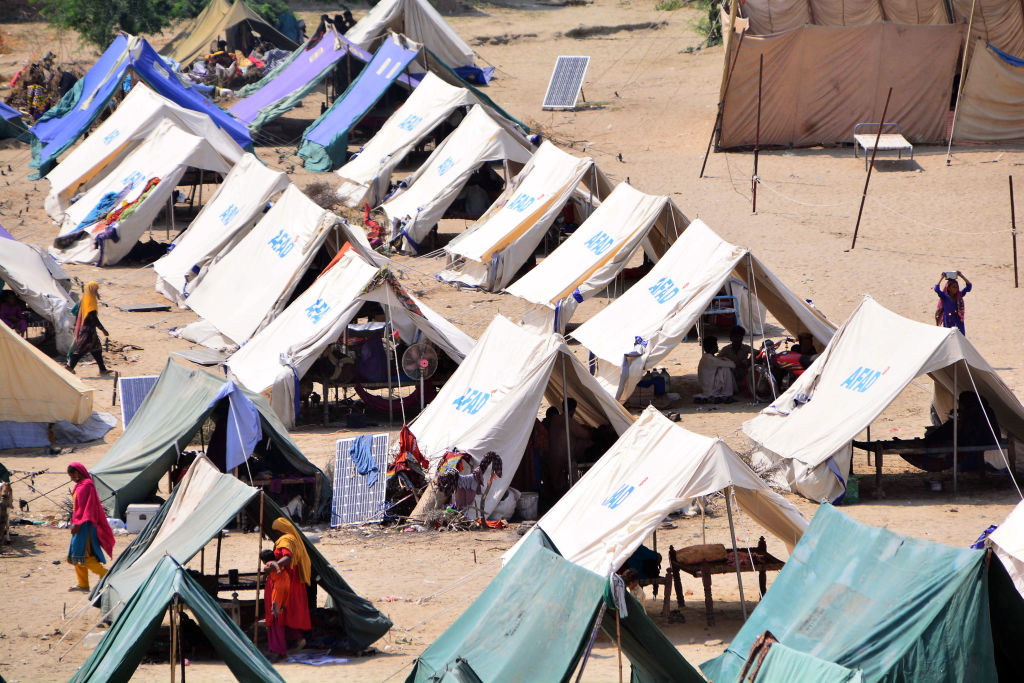
Decades of working in women’s health and human rights have made one thing clear: Climate change is not gender neutral. Climate change accelerates violence against women. It accelerates poverty that disproportionately affects women and young people. And it puts women and girls at profound reproductive health risk, especially in communities where rights and resources are already fragile. Treating this as a footnote is not just a moral failure; it is a strategic one.
Policymakers and governments must ensure disaster response plans treat gender-based violence as a public health emergency. They need to ensure climate adaptation plans protect girls' access to education, because when schools close after a disaster, it is the girls who don't return. They need to ensure that when climate disasters strike, access to contraception and reproductive healthcare does not disappear overnight. And they need to make sure that when they talk about climate resilience, they are prioritizing the health and safety of women and girls.
The climate movement has fought hard and made strides. But a movement that does not center the people bearing the heaviest burden is an incomplete one. Climate leaders, negotiators and policymakers must do more than acknowledge that women are disproportionately affected; they must build solutions into every plan, every policy and every dollar spent. The infrastructure and the expertise exist. What is missing is the political will, and the funding, to match the scale of the crisis.
The post Climate Change Hits Women Hardest. It’s Time Our Solutions Reflected That. appeared first on Ms. Magazine.