For several reasons, Black men have often been expected to carry life’s burdens without complaint. Wounds to Wisdom, a new documentary premiering at the Martha’s Vineyard African American Film Festival, asks what happens when they finally have the space to put those burdens down.
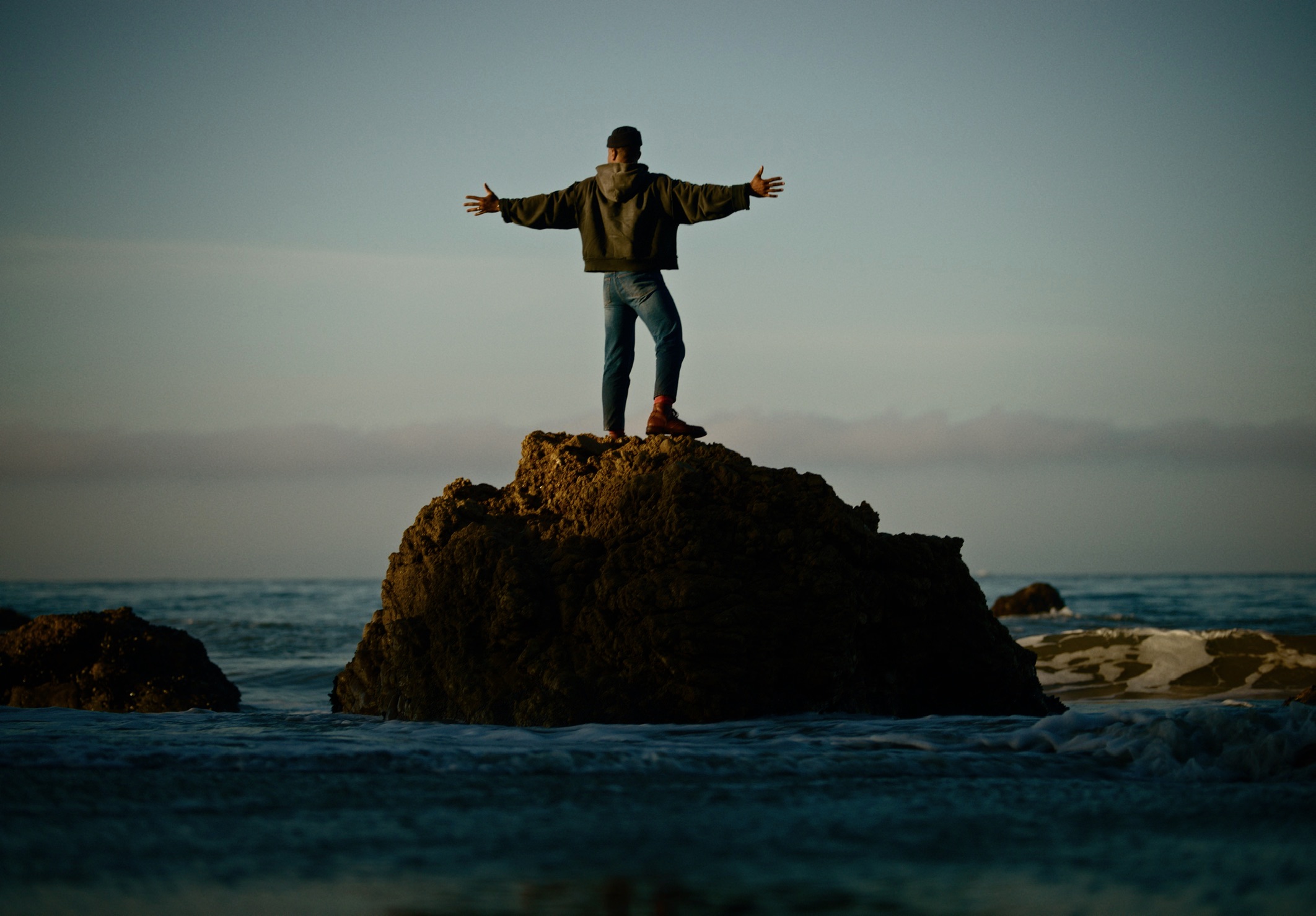
Directed by Najah Elessie, Jonathan Jacobs and Kadian Hall, the film brings together actor Jonathan Majors, Grammy-nominated rapper D Smoke and several everyday Black men for candid conversations about grief, identity and mental health. Their stories grew out of Elessie’s Wounds to Wisdom Supper Club, a gathering she has hosted for nearly a decade where Black men are encouraged to speak honestly about their lives.
This introspective project is something that Elessie had been passionate about due to the people that were already in her life. “I have five Black brothers. I have a Black father, and all my cousins are boys,” she tells ESSENCE. “So, I grew up around Black men. That was my comfort zone. Those were the men that made me feel safe and seen.”

Elessie’s understanding of mental health changed after losing her brother to suicide. Despite their close relationship, she realized there were parts of his life that she never fully understood. “I saw the struggles that they went through. I saw the pain and the things that they encountered, but I didn’t think that it really affected them,” she says. “I’m like, ’These are superheroes. They could do anything.’ But to watch my brother struggle for years with his mental health and ultimately pass away from that, I understood that there was a need for us to be able to see Black men in a different light.”
D Smoke immediately understood why the film mattered. Much of his contribution takes place inside a building he has watched change young lives for years. “With Wounds to Wisdom, it just allowed me to do some more of the work that I already was doing with the young people,” he says. “Broadway Boxing Gym has always been something that just was a transformative space for the community.”
In addition to talking about healing, the documentary captures men actively working through life’s challenges, and documenting those environments felt just as critical as the conversations themselves. “To bring filmmakers in that space to properly document what naturally happens and then the juxtaposition of all the training going on inside and then stepping outside and encountering the police and all the things that we still have to navigate, that’s super important to me,” D Smoke says. “This project is just necessary, and I hope these conversations keep happening.”

Majors believes conversations like these can help dismantle ideas many Black men have carried since childhood, and his participation in this project comes during a deeply personal chapter of his own life, making his reflections especially poignant. “This journey has taught me that I am not my headlines, not my past, not the worst thing that happened to me,” Majors says.
Jacobs hopes viewers recognize themselves in those stories, regardless of where they are in life; which is part of the reason why he believes MVAAFF provides the ideal setting to begin a broader discussion within the Black community. “We wanted it to be something that would slow time down long enough for us to feel something and then use that to be a catalyst to start a conversation,” he says.
Although the film features more recognizable names such as Majors and D Smoke, Elessie intentionally pairs their experiences with men audiences have never met before. Her goal is to remind viewers that emotional struggles don’t discriminate based on career, income or public profile. “I want them to understand that they aren’t alone,” she says. “A lot of men are struggling with the same thing, and they can get through it with each other.”

(Photo by Arnold Turner/Eclipse Content)
That message ultimately gives Wounds to Wisdom its purpose. Rather than offering easy answers, the documentary invites Black men to begin conversations many have postponed for years. Sometimes, being heard is the first step toward peace.
“Healing, for me, has been learning to tell the truth about who I am, to let my wife and my village see that truth, and to create art that makes room for all of our scars, not just our trophies,” Majors says.