Making Disability Visible in History: A Conversation With Rosemarie Garland-Thomson

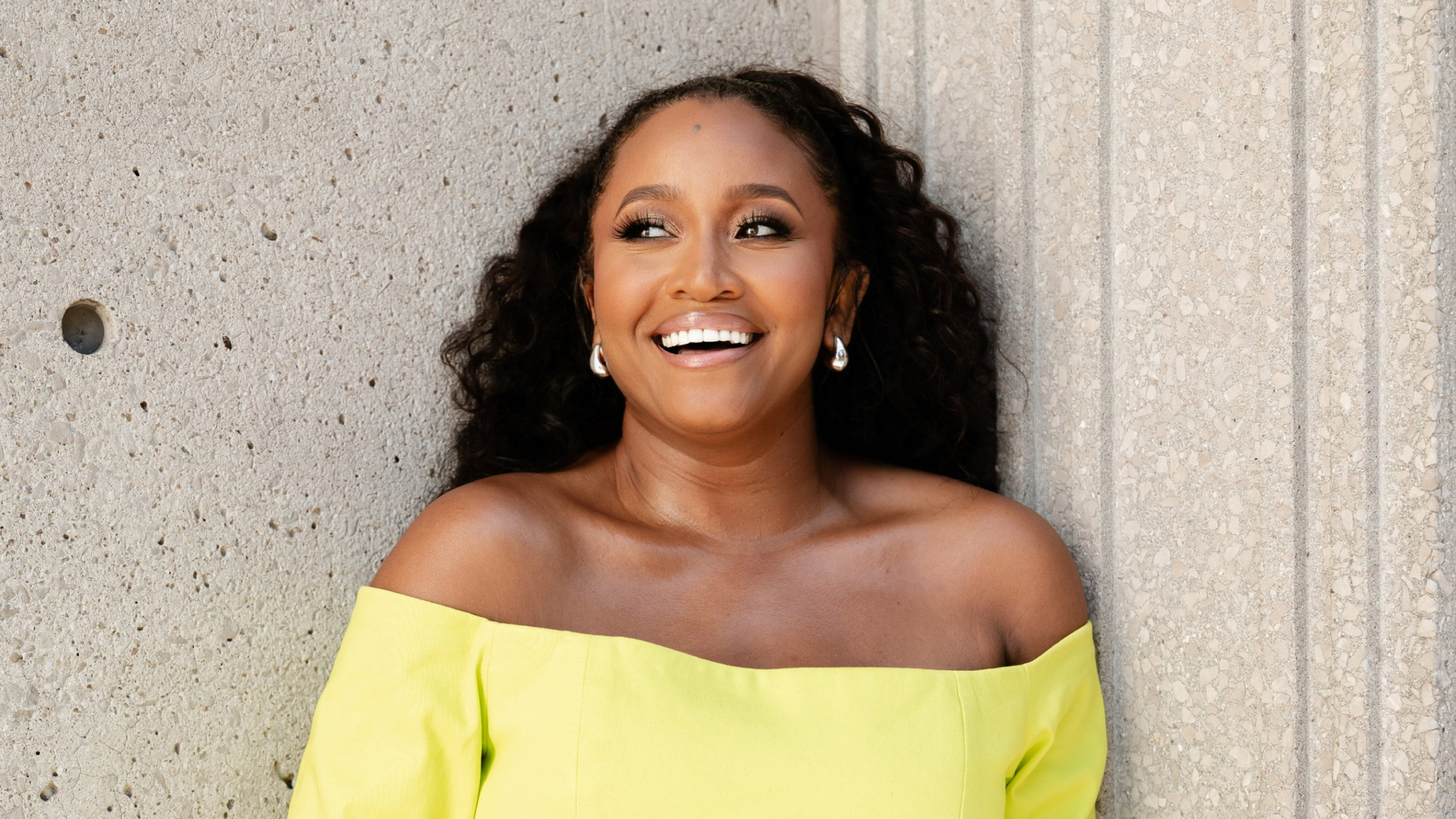
Dr. Rosemarie Garland-Thomson is a pioneering scholar of bioethics, humanities, disability justice and culture, and professor emerita at Emory University. Widely considered the founder of feminist disability studies, Garland-Thomson is the author of several canonical works, including Extraordinary B...

Making Disability Visible in History: A Conversation With Rosemarie Garland-Thomson

Dr. Rosemarie Garland-Thomson is a pioneering scholar of bioethics, humanities, disability justice and culture, and professor emerita at Emory University. Widely considered the founder of feminist disability studies, Garland-Thomson is the author of several canonical works, including Extraordinary Bodies: Figuring Disability in American Culture and Literature (1997) and the influential essay, “Integrating Disability, Transforming Feminist Theory” (2002).

On the nation’s 250th anniversary and for the series on “America’s Founding Feminists,” Ms.’ guest editor Janell Hobson spoke with Garland-Thomson about disability history and its connections to women’s history.

She argues centering disability reshapes our understanding of history, citizenship and whose lives are recognized as foundational to U.S. democracy.

"Women's bodies have always offered men an opportunity to talk about nations, to talk about themselves, to talk about government."

"... These human variations that we think of as disabilities are often an opportunity for resourcefulness."

(This essay is part of the FEMINIST 250: Founding Feminists series, marking the 250th anniversary of America by reclaiming the revolution through the women and gender-expansive people whose ideas, labor and resistance shaped U.S. democracy.)

The post Making Disability Visible in History: A Conversation With Rosemarie Garland-Thomson appeared first on Ms. Magazine.

Need Support?

Find verified resources for reproductive healthcare, support services, and advocacy organizations.

Find Resources