Normalizing Entitlement: How Ordinary Moments Sustain Extraordinary Disrespect
Over the course of three days, three very different public moments involving Kristen Welker, Cardi B, Donald Trump, Charles Barkley and Jon Stewart left me thinking about the cultural permissions our society grants men—and the expectations it places on women.
By Claire MasquidaJune 11, 20261 min read
Over the course of three days, three very different public moments involving Kristen Welker, Cardi B, Donald Trump, Charles Barkley and Jon Stewart left me thinking about the cultural permissions our society grants men—and the expectations it places on women.
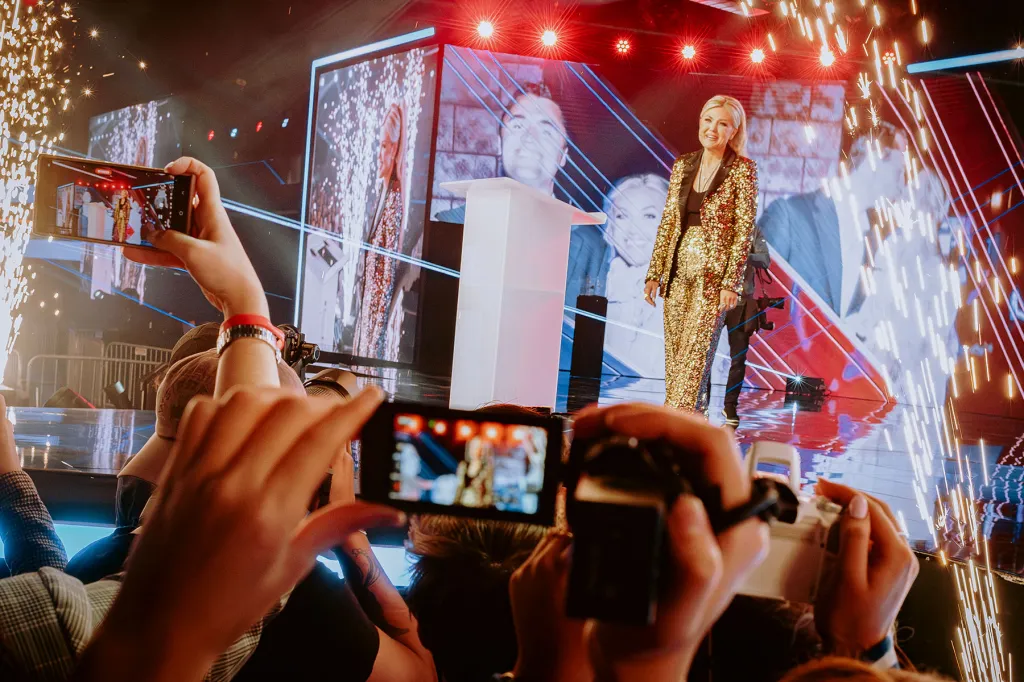
The incidents were not identical, nor should they be treated as such. Yet each revealed a familiar dynamic: a woman doing her job became the target of insults, objectification, condescension or scrutiny that shifted attention away from the original behavior and onto the woman herself.
Whether it was Trump calling Welker “crooked” and “stupid” before ending an interview with “Thank you, darling,” Barkley reducing Cardi B’s halftime performance to jokes about her breasts, or Stewart questioning whether Welker responded appropriately to Trump’s treatment, the pattern was strikingly consistent: Women are often expected not only to endure disrespect, but to manage it in ways that make others comfortable.
These moments are not simply about the individuals involved. They offer a window into the broader cultural permissions that allow entitlement to flourish—permissions that are reinforced through humor, rationalized through frustration and sustained by the expectation that women will absorb the consequences with grace.
When we focus only on the personalities, we miss the larger system that makes these moments feel ordinary in the first place.