Trust Black Women: How SisterSong Is Redefining Reproductive Justice at ESSENCE Festival of Culture

When reproductive justice makes headlines, the conversation usually narrows to legislation or court rulings. At the 2026 ESSENCE Festival of Culture, SisterSong pushed back on that framing. Reproductive justice, the organization reminded audiences, is about the freedom to live fully: to raise famili…

Trust Black Women: How SisterSong Is Redefining Reproductive Justice at ESSENCE Festival of Culture

When reproductive justice makes headlines, the conversation usually narrows to legislation or court rulings. At the 2026 ESSENCE Festival of Culture, SisterSong pushed back on that framing. Reproductive justice, the organization reminded audiences, is about the freedom to live fully: to raise families safely, access quality care, build thriving communities, and determine one’s own future.

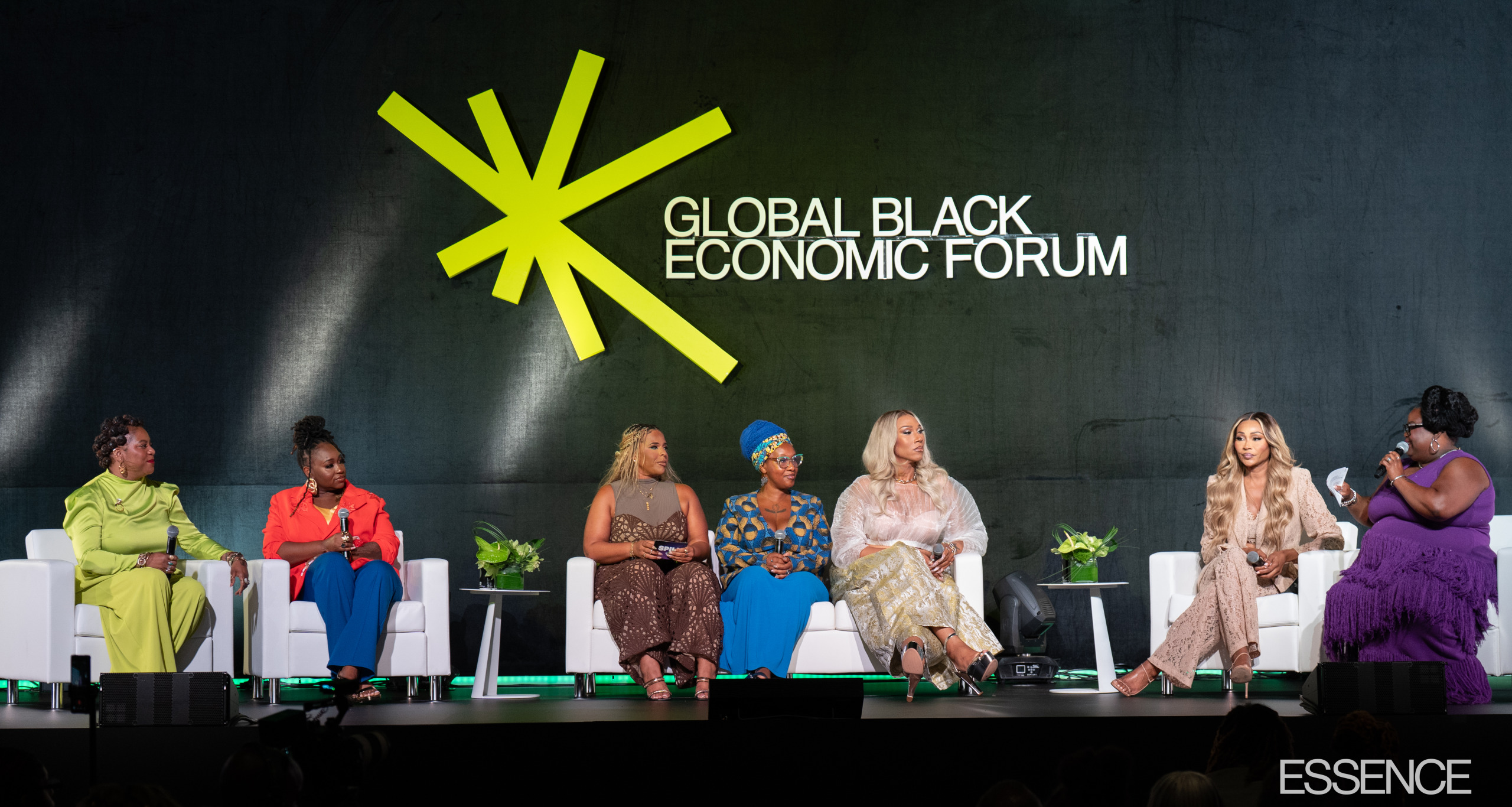
Hosted by SisterSong Executive Director Monica Simpson, the panel “Trust Black Women” brought together actress Cynthia Bailey, actress Monroe Alise, Southern Birth Justice Network Executive Director Jamara Amani, SPILL Chief Growth Officer Kenya Parham, New Orleans Black Pride Founder Nikki Alexander-Tumblin, and Feminist Center for Reproductive Liberation Executive Director Kwajelyn Jackson. Together they traced a wide arc: bodily autonomy, maternal health, culture, identity, and collective liberation.

A definition that keeps expanding

For Kwajelyn Jackson, reproductive justice starts with the freedom to exist fully. “It is the freedom to be yourself,” she said, describing it as the ability to know who you are and protect the sovereignty of your body and your life.

Kenya Parham widened the frame further, arguing that reproductive justice includes the right to have children, the right not to have children, and the right to raise families in environments, both offline and online, where they can actually thrive. As technology reshapes how communities connect, she stressed the need for digital spaces built on safety rather than harm.

Jamara Amani tied the work to human rights, history, and the generations still to come. “We all have a right to be born safely, with dignity,” she said, noting that reproductive justice runs through healthcare, housing, economic opportunity, and community wellbeing alike.

That commitment shows up directly in Amani’s own work as a Black midwife. She spoke about opening a new birth center rooted in community care and her continued push to expand midwifery access in Georgia through legal advocacy. Her standard is simple: every family deserves compassionate care where people feel welcomed, respected, and safe.

Where policy and daily life meet

Kwajelyn Jackson connected that standard to advocacy work, explaining that organizations like the Feminist Center for Reproductive Liberation fight not just for abortion access but for housing, childcare, healthcare, and economic stability, because people do not live single-issue lives. Meeting the full range of people’s needs, she argued, is what makes freedom real rather than theoretical.

Nikki Alexander-Tumblin brought that principle home to New Orleans, describing her work building spaces where Black LGBTQIA+ communities, particularly femme-presenting people, can feel represented, affirmed, and safe. Creating those spaces, she noted, is itself an act of reproductive justice: everyone deserves to see themselves reflected and supported.

Culture as the delivery system

The panel also examined how culture carries this work forward. Kenya Parham called storytelling one of humanity’s oldest organizing tools and pushed attendees to think critically about where Black stories live online, urging support for platforms built with Black communities in mind rather than ones that extract from them.

Monroe Alise spoke to the stakes of visibility for Black transgender women specifically, explaining that authentic representation lets audiences move past stereotypes and see people as neighbors, friends, sisters, and fully realized human beings. Visibility, she said, builds empathy and shifts culture from the ground up.

Cynthia Bailey closed the panel’s personal reflections with decades of perspective on modeling, television, entrepreneurship, and public life. “I don’t owe anyone the same version of me,” she said, encouraging women to embrace growth, reinvention, and the pursuit of peace without apology.

What comes next

Asked what it will take to secure the next generation of collective liberation, panelists offered a range of answers: build tables instead of just taking seats, invest real resources in Black women, honor the sacredness within ourselves, center Black LGBTQIA+ communities, and keep working to transform systems that have long failed Black families.

Taken together, the conversation reinforced a message SisterSong has carried for decades. Trusting Black women is not a slogan. It is a call to action, because when Black women are trusted, supported, and resourced, entire communities move closer to justice.

Need Support?

Find verified resources for reproductive healthcare, support services, and advocacy organizations.

Find Resources