‘We the People’ Is America’s First Promise. Who Gets to Belong?
For much of my life, I thought belonging was something you found: a place, a community, a passport, a home. Now I believe belonging may be something we build together. That realization took me 30 years—and not because I lacked an identity. I arrived in the United States carrying one.
By Claire MasquidaJuly 1, 20261 min read
For much of my life, I thought belonging was something you found: a place, a community, a passport, a home. Now I believe belonging may be something we build together. That realization took me 30 years—and not because I lacked an identity. I arrived in the United States carrying one.
The challenge was never that I did not know who I was—it was whether all of who I was could belong, all at the same time, in the same place: the daughter of a proud Nigerian father, an immigrant, an engineer, an advocate, a woman comfortable in rooms of power, and a woman excluded from systems governing her own life.
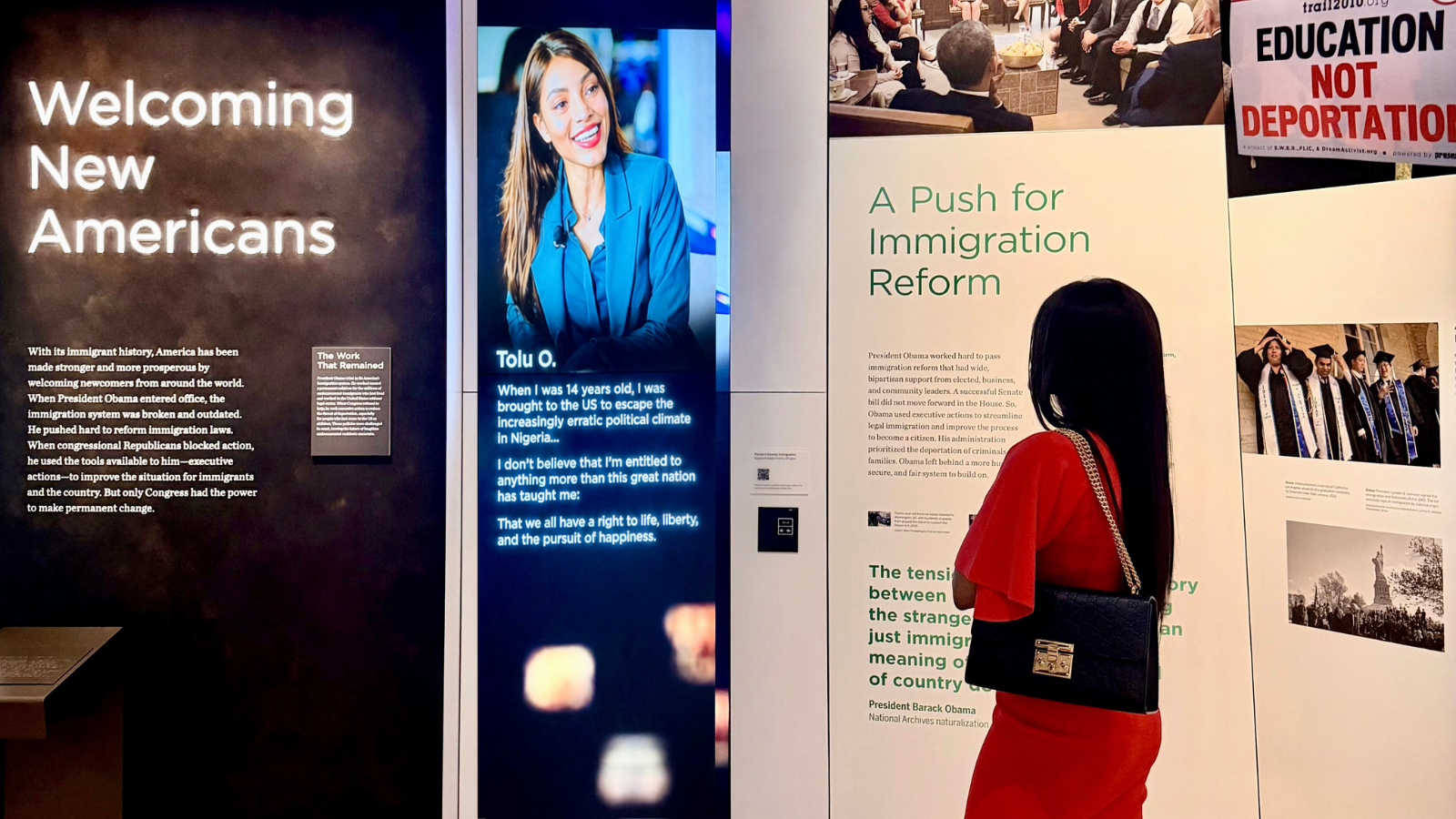
In a year commemorating the 250th anniversary of the United States, the Obama Presidential Center opened to the public on Juneteenth. Juneteenth commemorates the moment freedom reached people who had already been declared free. It is a reminder that recognition and reality do not always arrive together. Perhaps that is true of nations as well as people: that legal status and lived experience are not always the same thing. There can be a painful distance between inclusion on paper and belonging in practice.
Who is "we"? For nearly 250 years, the U.S. has been trying to write that answer since the beginning.
The question now is whether we are brave enough to build a version of “we” large enough for people to bring all of who they are into the future we share.