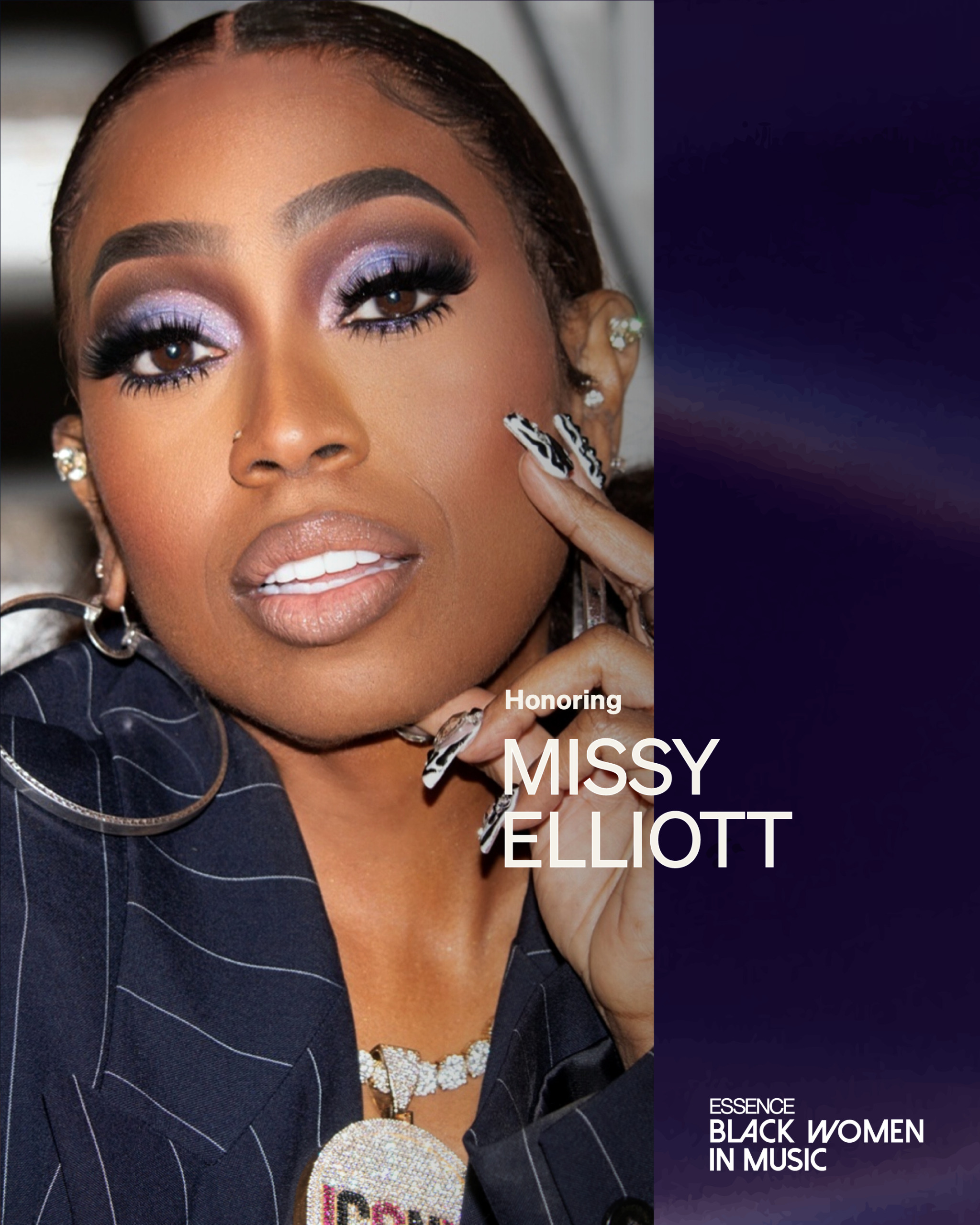
There are artists who make hits, or even, define an era. And then there are the rare few who permanently change the language of music. Missy Elliott belongs to the last category.
Before “creative visionary” became the industry’s favorite buzzword, Missy was already showing us what one looked like. She introduced a new way of thinking about hip-hop and R&B. She bent genres, stretched melodies, blurred the lines between rapper, singer, songwriter, producer, and director, and somehow made the future sound like it had always belonged to her.
When Supa Dupa Fly arrived in 1997, hip-hop was experiencing a creative renaissance, but there was no blueprint for an artist like Missy. She wasn’t interested in fitting into anyone else’s definition of femininity or stardom. She wore inflatable patent leather suits instead of chasing conventional beauty standards. Her videos felt like science fiction. Her flows ricocheted across Timbaland’s off-kilter production with a confidence that made every other record on the radio sound like it was playing catch-up.
And then there was her voice.
Missy understood something that many artists still spend careers chasing: the smallest details often become the biggest signatures. Her playful ad-libs, vocal inflections, and unmistakable cadence became as recognizable as the songs themselves. Long before producer tags became more popular, fans knew a Missy Elliott record within seconds. Whether she was punctuating a verse with a laugh, twisting a phrase into something entirely her own, or introducing artists with playful declarations like “new Monica” and “new Keyshia,” she was leaving fingerprints all over the culture.
She created a musical language that generations of listeners instantly recognize and artists continue to borrow. Like Miles Davis’ use of explosive runs or Spike Lee’s unmistakable dolly shot, Missy developed a creative stamp that couldn’t be separated from the work itself. You didn’t have to hear her name—you could hear her imagination.
And yet, innovation wasn’t Missy’s only contribution. She ushered in a new level of freedom.
She gave Black women permission to be unconventional. To be funny, eccentric, sexy, and brilliant without shrinking themselves to make everyone else comfortable. In an industry eager to put women into categories, Missy refused every box that was handed to her and built an entirely new one instead.
That’s why her influence extends far beyond platinum records and chart history.
You hear it in artists who effortlessly blend singing and rapping. You see it in music videos that treat fashion, choreography, and visual storytelling as extensions of the music itself. You feel it every time an artist chooses originality over marketability. Missy inspired a generation, yes—but she also expanded what they believed was possible.
And yet, for all the conversations about her innovation, one thing often gets overlooked: joy.
Missy’s music has always felt like an invitation. Records like “The Rain,” “Get Ur Freak On,” “Work It,” “Lose Control,” and “Pass That Dutch” are experiences we return to. The beat dares you to move, and the visuals easily earn a rewatch. Perhaps that’s why every accolade she’s received has felt hard earned. The culture never needed convincing. We recognized her genius in real time.
Missy Elliott has spent more than three decades imagining, shaping, and moving the culture forward. She transformed the sound of hip-hop and R&B, expanded the visual vocabulary of popular music, and gave generations of Black women permission to embrace every glorious, unconventional part of themselves.
Before the culture caught up, Missy Elliott was already there—stretching the boundaries of hip-hop, redefining Black femininity, and reminding us that originality will always outlive imitation.