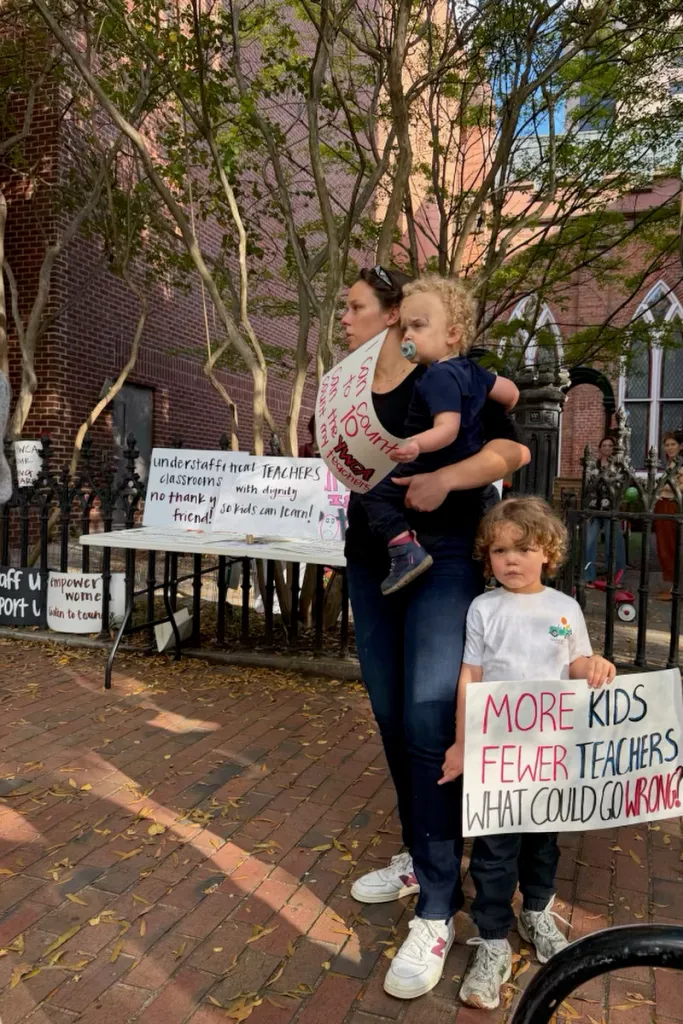
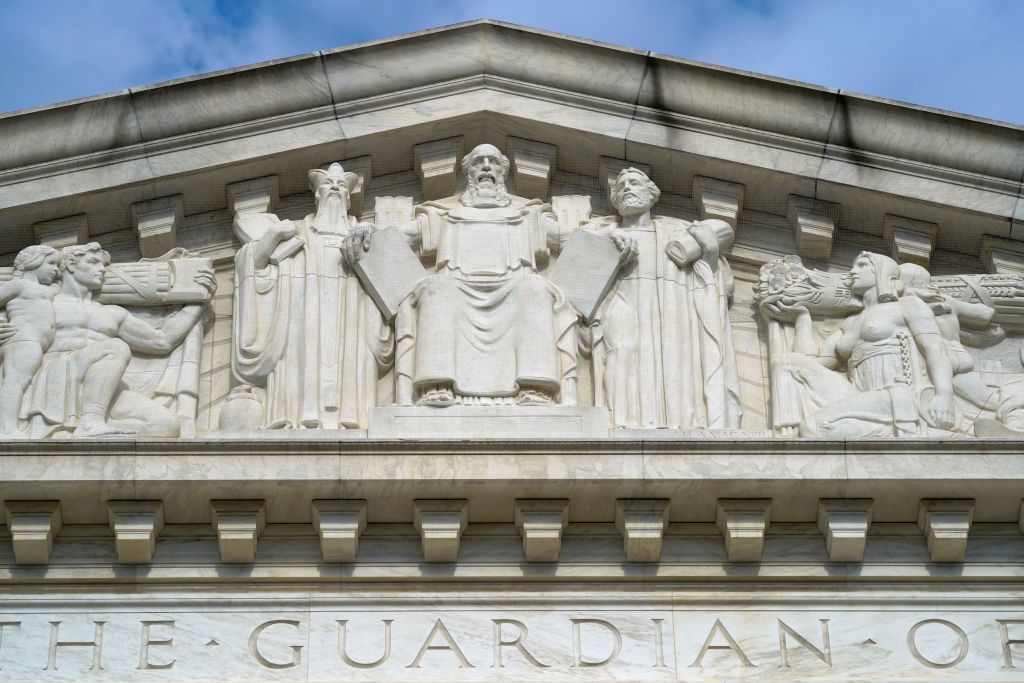
The 2010s began with a burst of feminist victories that seemed to signal a new era.
Barack Obama signed the Lilly Ledbetter Fair Pay Act, appointed Sonia Sotomayor and Elena Kagan to the Supreme Court, and signed the Affordable Care Act into law. For millions of women, the ACA transformed healthcare almost overnight: Insurers could no longer charge women more than men, deny coverage because of a previous C-section or experience of domestic violence, or exclude maternity care. Contraception, well-woman visits, breastfeeding support and other preventive services became available without out-of-pocket costs, saving women billions of dollars.
Meanwhile, the administration strengthened protections for survivors of sexual assault, expanded support for Indigenous, immigrant and LGBTQ survivors of violence, and advanced women’s rights globally.
But beneath those gains, another story was unfolding. State lawmakers introduced hundreds of abortion restrictions, anti-choice politicians targeted contraception and family planning programs, and Republicans repeatedly attacked the very policies feminists had fought to secure.
Then came the political earthquake of 2016. Hillary Clinton became the first woman nominated for president by a major political party, only to lose to Donald Trump after one of the most openly misogynistic campaigns in modern history.
Within months, Trump reinstated the global gag rule, undermined reproductive healthcare programs, rolled back Title IX protections and began reshaping the federal judiciary with far-right judges whose influence would last for decades.
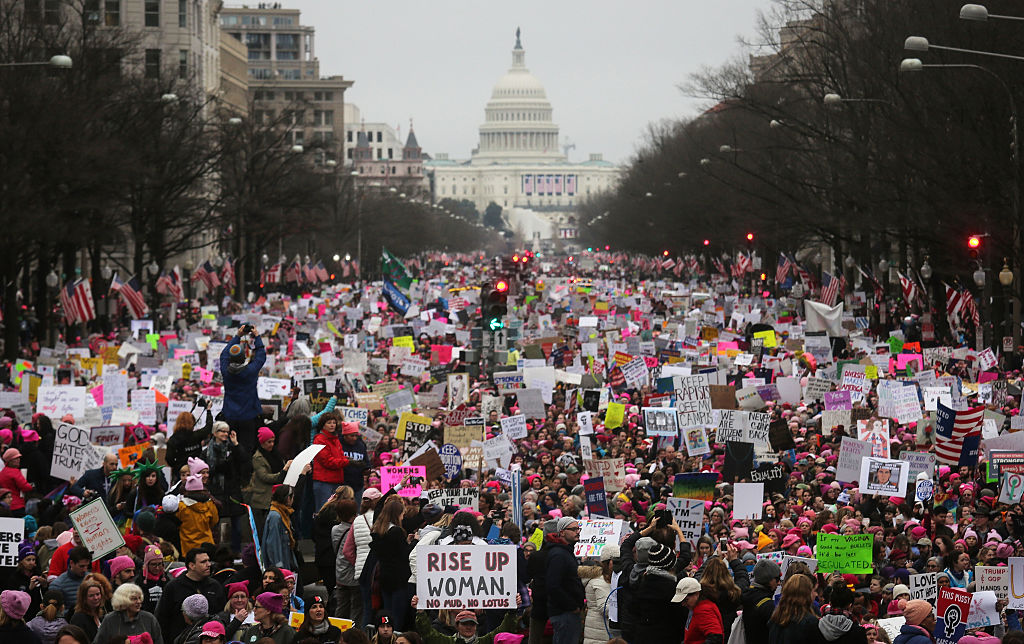
Yet the defining story of the decade was not the backlash itself—it was the response. Nearly 6 million people joined Women's Marches in 2017, making them the largest single-day protest in U.S. history at the time. Survivors launched the #MeToo movement into a global reckoning over sexual harassment and abuse. Women flipped 40 House seats in the 2018 midterms, revived the Equal Rights Amendment campaign and elected record numbers of women to office.
The lesson of the 2010s is that backlash can become fuel. Faced with escalating attacks on their rights, millions of feminists refused to go back—and instead transformed resistance into political power.
This essay is part of Feminist Lessons—part 2 of Ms.' our three-part FEMINIST 250 project—which explores what each decade of modern feminist history can teach us about power, democracy, backlash and social change.
The post Feminist Lessons from the 2010s: When Millions Refused to Go Back, Feminists Turned Backlash Into Power appeared first on Ms. Magazine.