In a Forceful Dissent, Justice Elena Kagan Says the Supreme Court Ignored Evidence of Trump Administration’s Anti-Haitian Bias
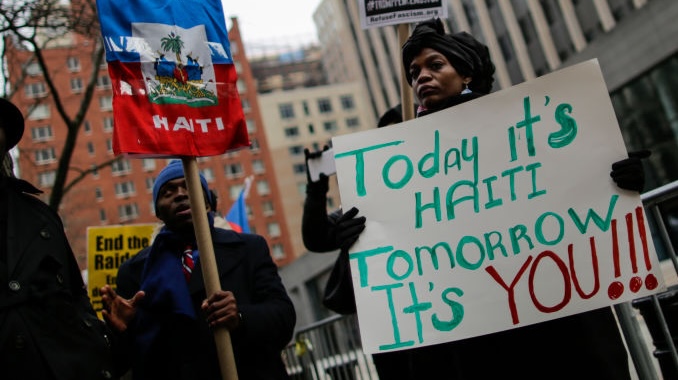
For more than 350,000 Haitians and roughly 6,000 Syrians living legally in the United States under Temporary Protected Status (TPS), the Supreme Court's decision in Mullin v. Doe is not simply another legal ruling.
By Roxanne SzalJune 28, 20261 min read
For more than 350,000 Haitians and roughly 6,000 Syrians living legally in the United States under Temporary Protected Status (TPS), the Supreme Court's decision in Mullin v. Doe is not simply another legal ruling. It clears the way for the Trump administration to end TPS while legal challenges continue, leaving hundreds of thousands of people who have built their lives in the United States facing the immediate possibility of deportation.

Writing for the dissenters, Justice Elena Kagan argues that the Court not only insulated the executive branch from meaningful judicial review, but also brushed aside compelling evidence that anti-Haitian bias may have influenced the administration's decision. Her dissent forcefully rejects the majority's conclusion that President Trump's repeated derogatory remarks about Haitians are legally insignificant, calling them plainly infused with racial stereotypes.
For Kagan, the case is about much more than Temporary Protected Status. It asks whether courts will meaningfully examine executive actions that affect hundreds of thousands of lives—or instead allow those actions to proceed before serious constitutional and statutory challenges can be fully heard.