Saving Seneca Falls: The U.S. Birthplace of ‘All Men and Women Are Created Equal’ Needs Saving

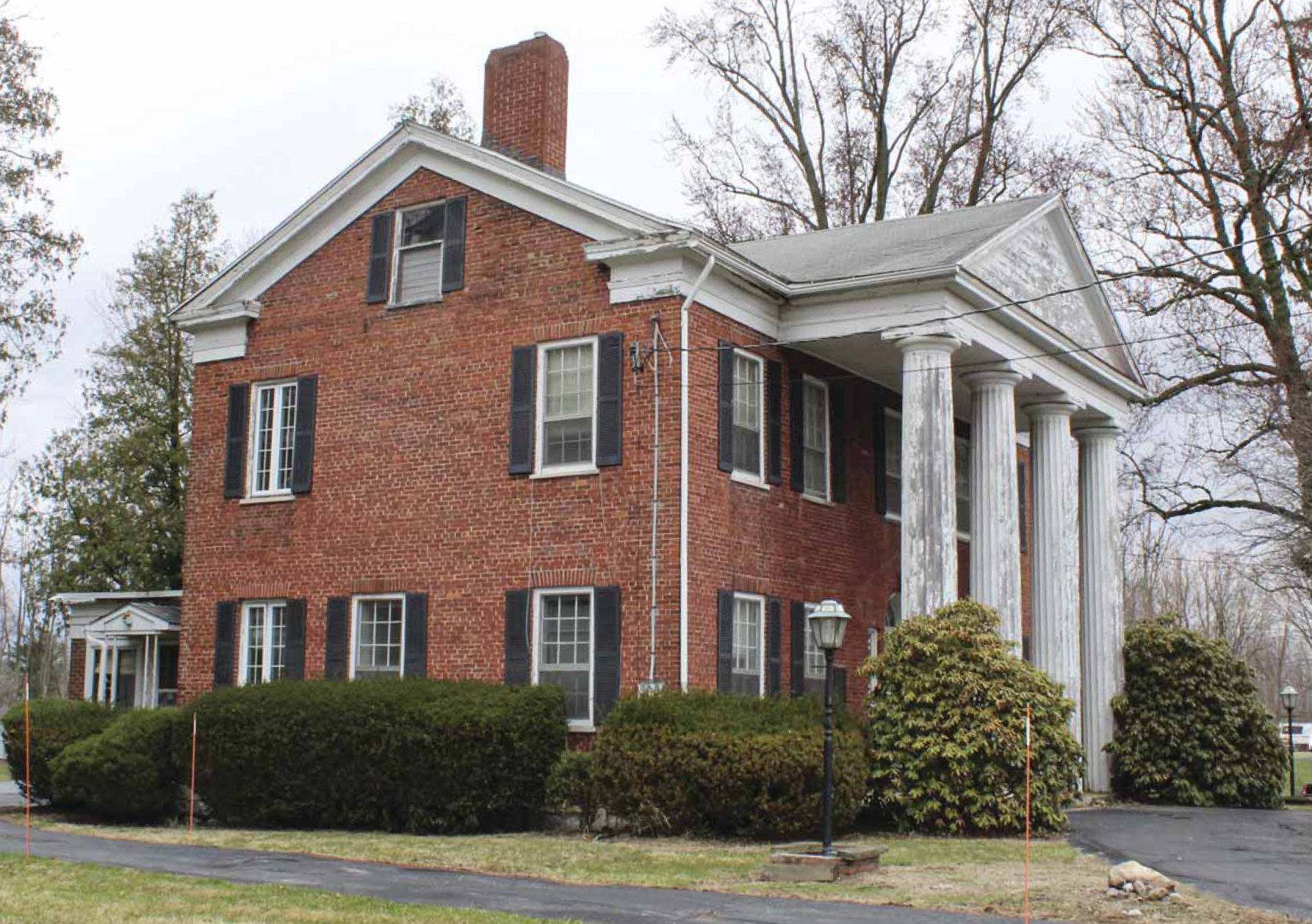
A caved-in roof. A crumbling porch. A memorial water wall in need of restoration. These are just a few areas of the $10 million of deferred maintenance needed at the Women’s Rights National Historical Park in Seneca Falls, N.Y.

Saving Seneca Falls: The U.S. Birthplace of ‘All Men and Women Are Created Equal’ Needs Saving

A caved-in roof. A crumbling porch. A memorial water wall in need of restoration.

These are just a few areas of the $10 million of deferred maintenance needed at the Women’s Rights National Historical Park in Seneca Falls, N.Y., one of 11 sites on the National Trust for Historic Preservation’s 2026 list of “Most Endangered Historic Places.” The Women’s Rights National Historical Park celebrates the first Women’s Rights Convention, held on July 19 and 20, 1848.
Of the 433 parks within the National Park System, only 13 are dedicated to women’s history, making the inclusion of the Women’s Rights park on the “most endangered” list even more imperative. Rather than merely lament a need for restoration, the list, according to the trust, aims to increase “visibility, public attention and new resources to save and activate historic places for the public good.”
The story of suffrage, like so many stories in our nation’s history, is neither uncomplicated nor is it a “single story” that’s “preserved in amber,” insists Miranda Johnson-Haddad, president of the Friends of the Women’s Rights National Historical Park, the non-profit philanthropic group that supports the park.
Johnson-Haddad emphasizes that the park’s leadership wants to continue to have “brave conversations about difficult subjects,” including that some suffragists, like Stanton, succumbed to white supremacist thinking—despite being active in the abolition movement—championing the right to vote for white women, but not for Black men and women. No Black women were known to be in attendance at the first Seneca Falls Convention, and only one Black man, Frederick Douglass, signed the declaration.

Still, “these are stories that belong to all of us in all their messiness and complexity,” Johnson-Haddad stresses, “and that can guide us through the current messy complexity.” She cites “Bread and Roses,” a protest song dating back to 1912: “As we go marching, marching, we bring the greater days / The rising of the women means the rising of the [human] race.”

The post Saving Seneca Falls: The U.S. Birthplace of ‘All Men and Women Are Created Equal’ Needs Saving appeared first on Ms. Magazine.

Need Support?

Find verified resources for reproductive healthcare, support services, and advocacy organizations.

Find Resources