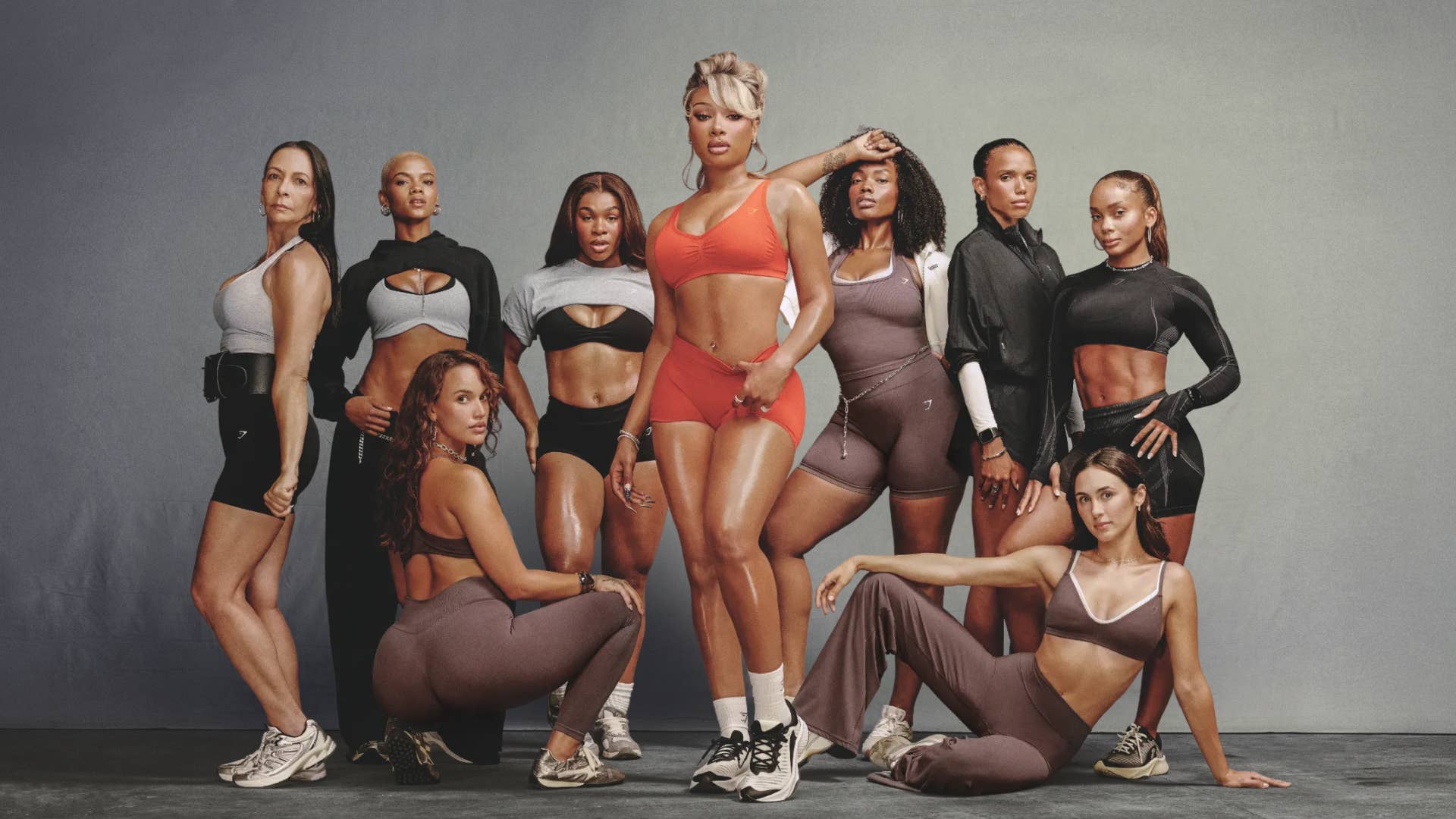
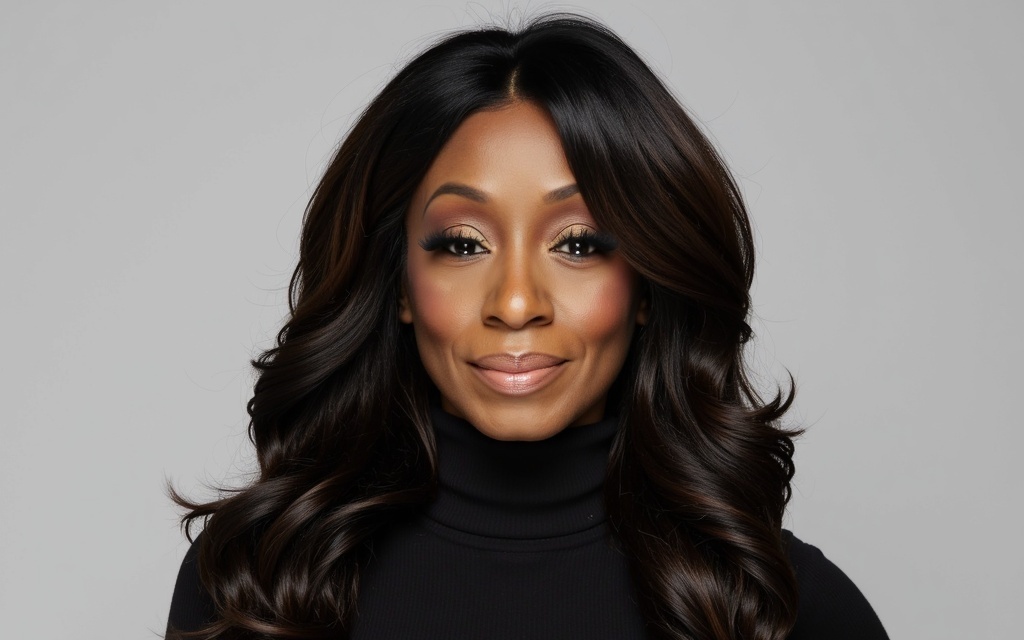
When the Federation Internationale de Football Association (FIFA) unveiled the first wave of celebrity promotions for the 2026 FIFA World Cup, the messaging was familiar: unity, celebration and global connection through sport.
By Claire MasquidaJune 4, 20261 min read
When the Federation Internationale de Football Association (FIFA) unveiled the first wave of celebrity promotions for the 2026 FIFA World Cup, the messaging was familiar: unity, celebration and global connection through sport.

Held every four years, the world’s largest international soccer (also known as football) tournament brings together national teams from around the globe to compete for the championship title. The right to host the World Cup is awarded through a competitive FIFA bidding process, with the 2026 tournament being awarded to a joint bid from the United States, Canada and Mexico.
But beneath the glossy advertisement campaigns and official anthems lies an institution repeatedly tied to corruption scandals, labor exploitation and human rights controversies that cannot be danced away by celebrity performances and spectacle marketing.
Loving the game should not require ignoring the systems surrounding it. Because behind every glittering opening ceremony is an uncomfortable question FIFA would rather audiences not ask: Who is paying the price for the spectacle?
Too often it is people whose labor, rights and well-being are treated as expendable.