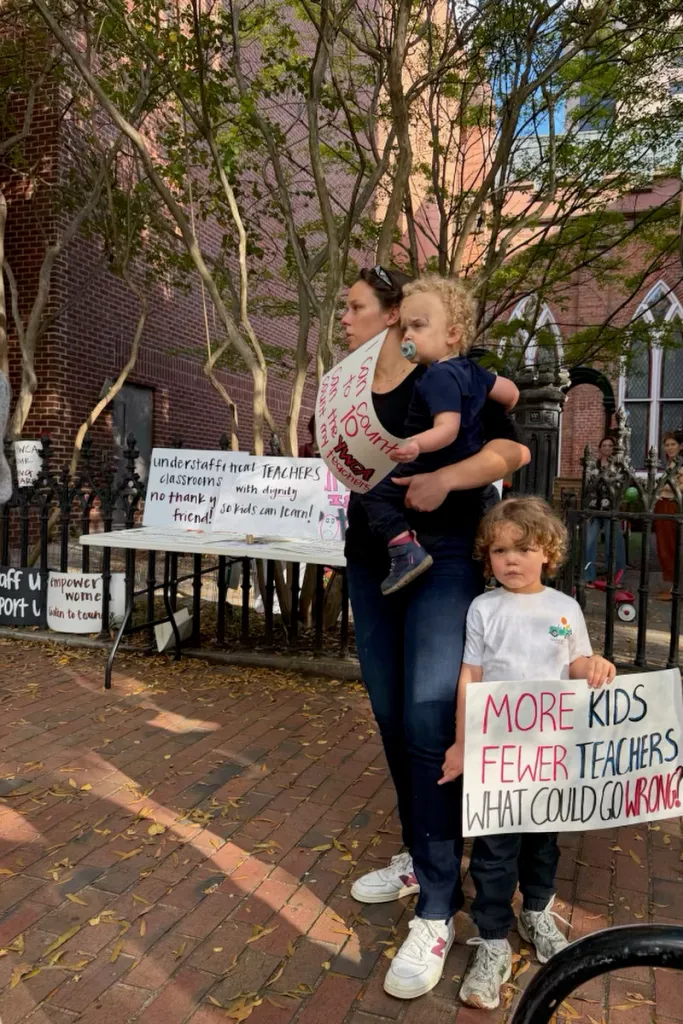
This month the newest fertility data dropped—and the U.S. fertility rate has fallen again, hitting another record low in 2025 according to the National Center for Health Statistics (NCHS). The number of births per 1,000 women of childbearing age, in 2025, went down by .7 to 53.1, compared to 53.8 in 2024. The total number of births also went down by 1 percent, to 3,606,400.
Almost immediately, conservative influencers, media figures and elected officials pointed fingers at feminism, blaming women’s independence, career ambitions and access to contraception for the decline in births. It’s a convenient narrative to push along their anti-birth control agenda. But it’s also wrong.
If you actually listen to women—and look at the data—the story becomes much clearer. The number one reason women are delaying or forgoing having children isn’t ideology, it’s affordability. Childcare costs, housing prices and healthcare access have made starting a family financially daunting for millions of Americans. Mix in student loan debt and political turmoil, and having a baby in 2026 is a scary venture.
And yet, instead of addressing these barriers, policymakers—and organizations leading the way like the Heritage Foundation—are moving in the opposite direction. They are cutting or rolling back the very programs that make family life possible.
The post They Blame Feminism for Falling Birth Rates—but Data Says It’s Saving Families appeared first on Ms. Magazine.