Are We Teaching Our Daughters to Dream?

Dreaming is the first language our daughters speak—the one the world keeps trying to silence. The first time my daughter auditioned for The Nutcracker, she told me she planned to […] The post Are We Teaching Our Daughters to Dream? appeared first on Essence .

Are We Teaching Our Daughters to Dream?
By Dr. Rachel R. Hardeman ·Updated March 11, 2026 Getting your Trinity Audio player ready…

Dreaming is the first language our daughters speak—the one the world keeps trying to silence.

The first time my daughter auditioned for The Nutcracker, she told me she planned to dance the role of the Sugar Plum Fairy. This wasn’t just any Nutcracker—it was the professional production staged by the premier dance theater in our state. At 7 years old, her role would most likely be that of a mouse or a toy soldier, not the Sugar Plum Fairy, a role reserved for a professional prima ballerina—the very top of the pyramid.

She said it matter-of-factly, as if she already had the blueprint sketched in her mind. I remember smiling—half in wonder, half in worry.

“Baby, that’s incredible,” I told her. And then I heard myself ask the question adults always ask: “But how would that work?”

I didn’t want to dim her light. I loved her audacity. But I also felt the pull to manage expectations; to prepare her for disappointment before the world could deliver it. Even as the words left my mouth, I felt the quiet betrayal of them—the way practicality can arrive dressed as protection. The question rose in my throat before I could stop it—an inherited instinct I recognized even as I resisted it.

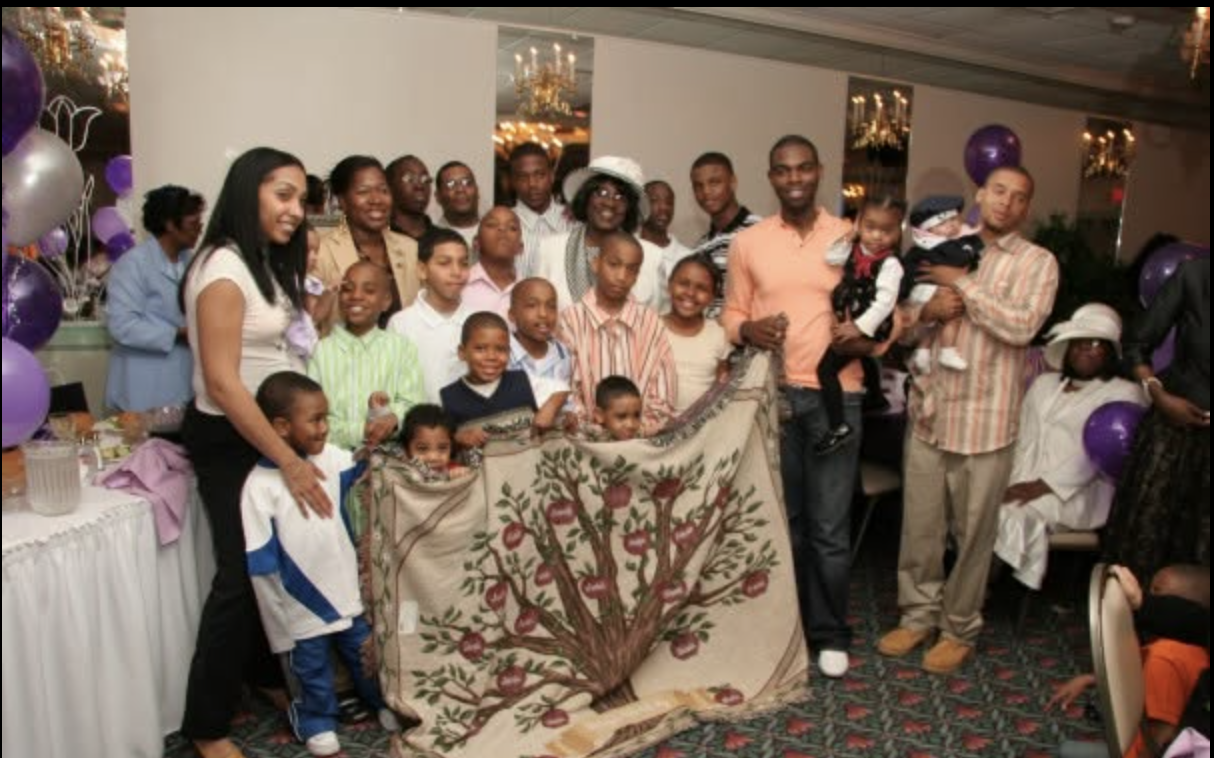
I come from a long line of women who were not always granted the luxury of dreaming. For them, practicality was protection—the armor so many Black women learn to wear. My grandmother’s prayers were pragmatic: keep food on the table, keep the children safe, keep the men working. But even within that pragmatism, she found room for what I call measured dreaming—visions of better that fit within the margins of her reality. A Saturday school on Black history for the neighborhood kids. A garden that turned scarcity into abundance. Quiet revolutions disguised as daily life.

My mother learned that practice too—measured dreaming—that tender space where the practical brushes up against the radical. She believed in possibility, but she also knew the cost of a world unprepared for our ambition. So she dreamed carefully, deliberately, mapping visions that could take root within the boundaries of safety. It wasn’t a limitation; it was love. It was survival. The reflex I feel when I want to shield my daughter’s dreams from disappointment, I recognize in her. She wasn’t dimming the light—she was protecting its flame.

My grandmother’s survival, and my mother’s, made my life possible. And still, I sometimes wonder what beauty never got to bloom because they were too busy enduring, without the space to dream freely, deeply.

Now, I am raising a daughter in a different kind of storm—one that howls through her phone and across our screens. She wakes up to a feed that tells her how to contour her face before she’s learned to love it. Between hair tutorials and dance trends are images of ICE Agents, police violence, starving children in Gaza, and lawmakers banning the teaching of history itself. As a young Black girl and a dancer, she is constantly being told who to be, what to look like and which parts of herself to hide. The contrast is dizzying—beauty lessons beside brutality, self-expression framed by censorship.

The world has given her endless content, but very little context for hope.

And so I ask myself, as both mother and scholar: Are we teaching our daughters to dream—or just to cope?

We teach them resilience—how to push through pain, how to outwork inequity, how to survive systems never designed for us to thrive. But resilience without imagination is just endurance with better branding.

Dreaming asks something different. It asks for breath where there’s been bracing, softness where there’s been survival. It invites us to unclench our fists long enough to imagine what freedom might feel like.

To dream is to believe in a future that has never yet existed—to hold joy as possibility, even when history argues against it. Dreaming is how we practice freedom before the world catches up.

I think often about how dreaming is a health practice—not metaphorically, but biologically. The body can’t heal in a constant state of defense. The nervous system needs safety to repair, imagination to rewire. When we invite our daughters to envision what joy could feel like—not just justice—we are teaching them to be well in a world that often confuses vigilance with valor.

So now, when my daughter dreams out loud—of Sugar Plum Fairies, of Broadway, or simply of a Saturday where she feels free—I try to resist the reflex to edit her possibility. Instead, I listen. I let her dreaming stretch the edges of my own.

And I think about all the Black women who came before me, who came before us, who were never given that kind of room. I think about my own ongoing work to embody liberation and freedom in the face of betrayal, prejudice, and narrow vision. I whisper a promise to them: I will not let the world shrink her imagination the way it tried to shrink ours.

Because teaching our daughters to dream is not just about castles in the sky—it’s about building a foundation sturdy enough for their imagination to stand on. It’s about clearing the noise so their inner voice can echo back: I am safe. I am possible. I am loved.

So this is the call—to myself, and to every mother, auntie, teacher, and sister-friend reading this:

Make room for her dreams, whatever form those dreams take, even when they scare you.Let her see you dream, even when the world tells you not to. Speak the language of what if in your own life, so she knows it’s still spoken here.

Because one day, she might dance prima ballerina. And if she does, I hope she knows it began with a mother who dared to dream beside her.

The post Are We Teaching Our Daughters to Dream? appeared first on Essence.

Need Support?

Find verified resources for reproductive healthcare, support services, and advocacy organizations.

Find Resources