It’s Black Maternal Health Week 2026—the ninth annual week designated for amplifying the perspectives of Black pregnant people and bringing awareness to their high death rates before, during, and after birth.
At Rewire News Group, these issues are core to our mission. Black women launched the reproductive justice movement; we cover Black maternal health year-round. This roundup features some of our recent reporting on Black maternal mortality, access to health-care, and birth justice.
Uneven access
Hundreds of thousands of Black women left the labor force in droves in 2025, in part due to mass layoffs.
Writer Emma Akpan was one of them. In November of that year, after she lost her job, she explained how unemployment reshaped the health-care options of Black women like her. Losing private insurance, for example, can limit a person’s reproductive health-care choices.
“My old gynecologist does not take Medicaid,” Akpan wrote. “I searched for a new one that provided shame-free medical care and accepted Medicaid, [but] many of them were in towns…about 30 minutes from where I live. … I knew I couldn’t be the only one in this predicament.”
In addition to facing higher unemployment, Black women also have higher rates of infertility. Yet Black women are less likely to pursue IVF treatment, and they’re less likely to succeed when they do seek fertility assistance.
Madeleine Aitken wanted to know why. Her October 2024 story explored how cultural stigma, high costs, and medical racism can prevent Black patients from receiving fertility treatment.
“I just always thought I would get married and have babies the natural way,” Denise Hendricks told Aitken. “It didn’t even cross my mind that I might need to freeze my eggs or think about my fertility,” adding that infertility “never was discussed in my household, or even among my friends.”
Abortion bans
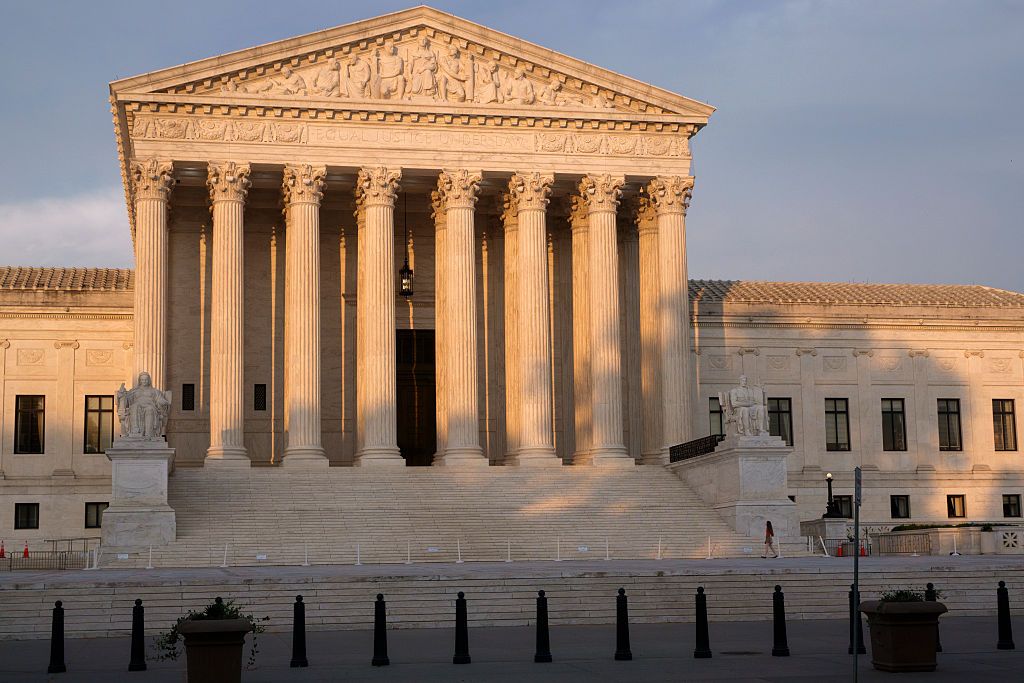
After the Supreme Court overturned Roe v. Wade in 2022, U.S. states rushed to impose abortion bans. A predictable consequence quickly became clear: More pregnant people started dying from preventable causes like known heart problems and infections, including from second-trimester miscarriages.
By 2023, Stephanie Mitchell and Avital Norman Nathman wrote for Rewire News Group, pregnant people in states that outlawed abortion were found to be nearly three times more likely to die during pregnancy, birth, or within the first year postpartum.
And Black women disproportionately have died.
Abortion bans have been especially dangerous in Texas. As RNG legal analyst Imani Gandy wrote on the 160th anniversary of Juneteenth, Black women in Texas are still denied their full reproductive freedoms.
“Control over reproduction in Texas didn’t end with emancipation on June 19, 1865; it simply evolved,” Gandy wrote. “For centuries, the Texas government has weaponized different laws to control and exploit Black women’s bodies—first through slavery, then through Jim Crow segregation, and now through abortion restrictions that disproportionately harm and control the lives of Black women.”
Since Texas banned abortion in September 2021, before the overturn of Roe, dozens more pregnant and postpartum people in the state have died than in the years prior to the COVID-19 pandemic, according to ProPublica, which used pre-pandemic numbers as a baseline to avoid COVID-related anomalies.
Yet in Texas and other states with abortion bans, the data on maternal mortality has become unreliable, reported Thalia Charles in 2025.
State-run task forces, called maternal mortality committees, have been tasked with tracking severe birth complications and proposing strategies for limiting them in the future. But some of these committees have suffered from political meddling or narrowed mandates.
In April 2026, the Florida Tribune revealed that Florida had not shared maternal mortality data since posting its 2020 report. (After the Trib asked questions, the state Department of Health published limited maternal mortality reports from 2021, 2022, and 2023.)
In communities without adequate access to maternal care, people are taking matters into their own hands. Timberly Washington, a medical student in the South who has also worked as a doula, wrote for RNG about how doulas make birth safer—especially for Black and Hispanic patients.
“In my view, a doula is an essential piece of the reproductive health care puzzle at a time when labor and delivery wards are closing nationwide,” she wrote. “This is especially true in places like my hometown in rural Alabama, which is home to historically marginalized communities and limited access to care. Doulas step in to provide culturally responsive support, a gap that many doctors cannot fill.”
The post Black Maternal Health is Still in Crisis appeared first on Rewire News Group.