I was walking through the San Francisco airport, heading home from a weekend that felt like a rare exhale—good food, deep laughter, uninterrupted rest. The kind of ease Black women rarely get to hold for long.
Still carrying that softness, I made my way toward my gate and everything waiting on the other side.
And then I stopped.
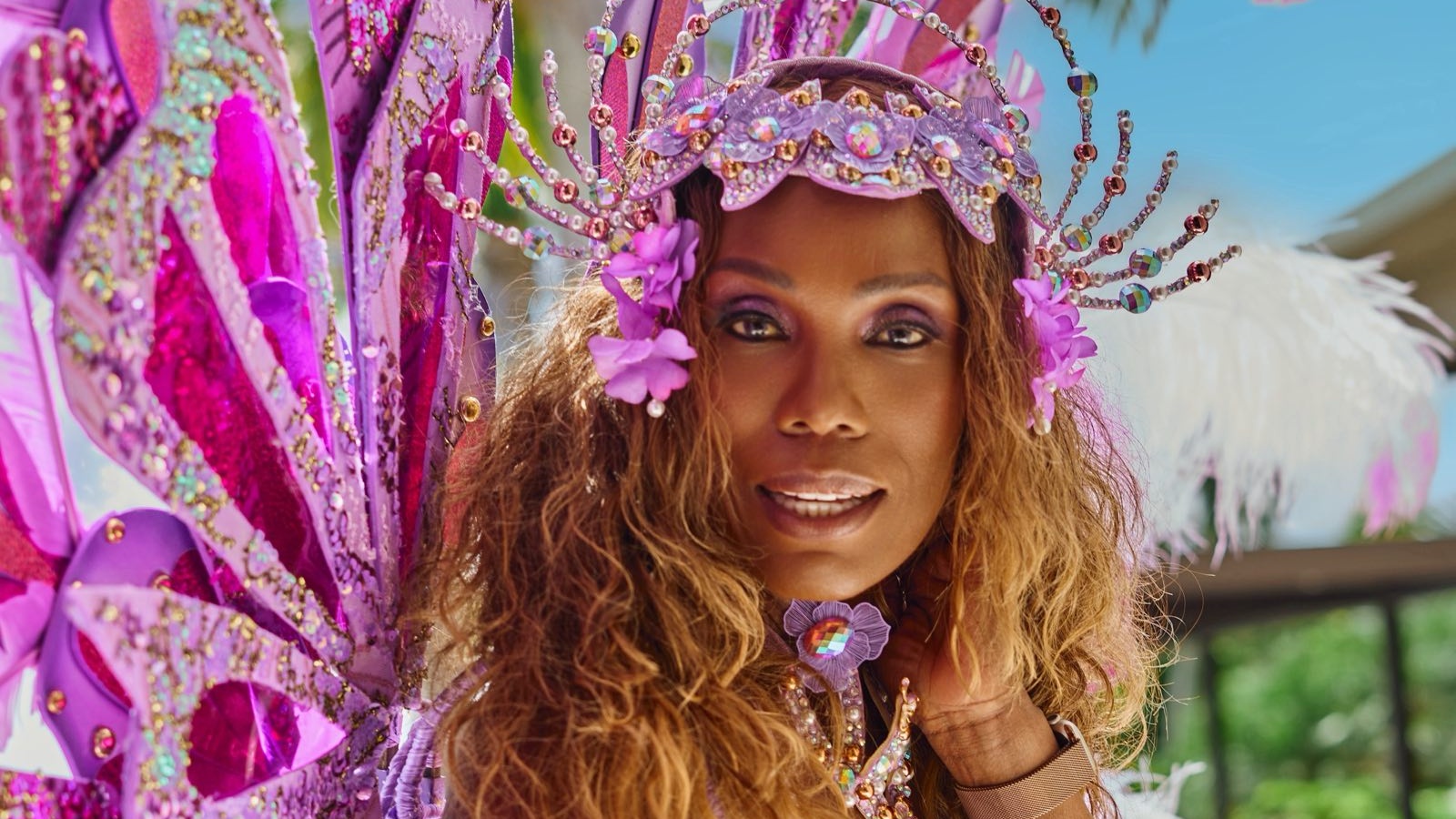
Something had caught my eye. It was an image I couldn’t move past. A Black woman rendered in circuitry and light, her body patterned like code, like >technological logic.
She was both history and future at once. Grounded. Composed. Fully intact. Not consumed by the system around her, but central to it.
Beneath it, a single word: mOTHERboard (2024).
A motherboard is the central system, the backbone of a machine. Without it, nothing runs. The meaning shifts, yet remains the same: mothers, and mother figures, as the backbone of our communities. The ones who make households, systems, and entire ways of life possible.
As a public health scholar, a Black woman, and a mother, I have spent years studying what happens when the backbone is under strain—when the system that holds everything together is asked to carry more than it was ever meant to.
Black women, and Black mothers specifically, are often treated as that backbone.
We hold families.We hold communities.We sustain systems that do not always hold us.
And we are expected to keep functioning, no matter the cost.
For over 400 years, Black women have been positioned as caregivers, stabilizers, and infrastructure. The Black maternal health crisis is not separate from that reality. It is one of its clearest expressions.
For many Black women in the United States, a positive pregnancy test does not arrive as uncomplicated joy. It arrives alongside something else: a quiet, persistent knowing that Nettrice Gaskins, motherBoard (2024), courtesy of www.nettrice.us
For generations, Black women have organized to protect life in the face of structural harm. That work has been essential—life-saving, even. But protection cannot be the end goal.
We must also restore what has too often been taken from us: the ability to move through the world without constant vigilance, the space to breathe, to dream, to live fully inside our lives. If we are serious about that shift, then the question is not only what we measure or what we fund. It is whether we are willing to build something different. Because survival has shaped not only our systems—but our bodies, our expectations, and our imagination of what is possible.
If we are going to move beyond survival, we have to understand why it runs so deep. We have to understand what it has done to the body. Because imagination is essential—but imagination alone is not enough.
Resmaa Menakem’s work helps us understand why survival runs so deep—and why we must be careful where we locate the problem. As he reminds us, “If you don’t start with what has happened to Black women—and continues to happen—then you end up putting the defect inside of them.”
For generations, Black women have been treated as if they were available. In body, in care, in labor, in love, expected to give, to hold, to absorb, often without full sovereignty. That reality does not just live in history. It shapes how the body organizes itself in the present.
This is not only about the nervous system. It is about every system.
Survival, when it becomes the norm, does not stay contained. It embeds. And yet, what is often offered in response feels strikingly inadequate—calls for more rest and individual adjustment, without reckoning with the conditions that make those things difficult to access in the first place.
What Menakem offers instead is a different orientation: not fixing, not quick solutions, but tending. The slow, relational work of helping the body experience something different through connection, presence, and repetition.
Because moving out of survival is not a single moment ofrel="tag">Black Maternal Health Week health and wellness
The post Black Mothers Deserve More Than Survival. We Deserve To Live. appeared first on Essence.