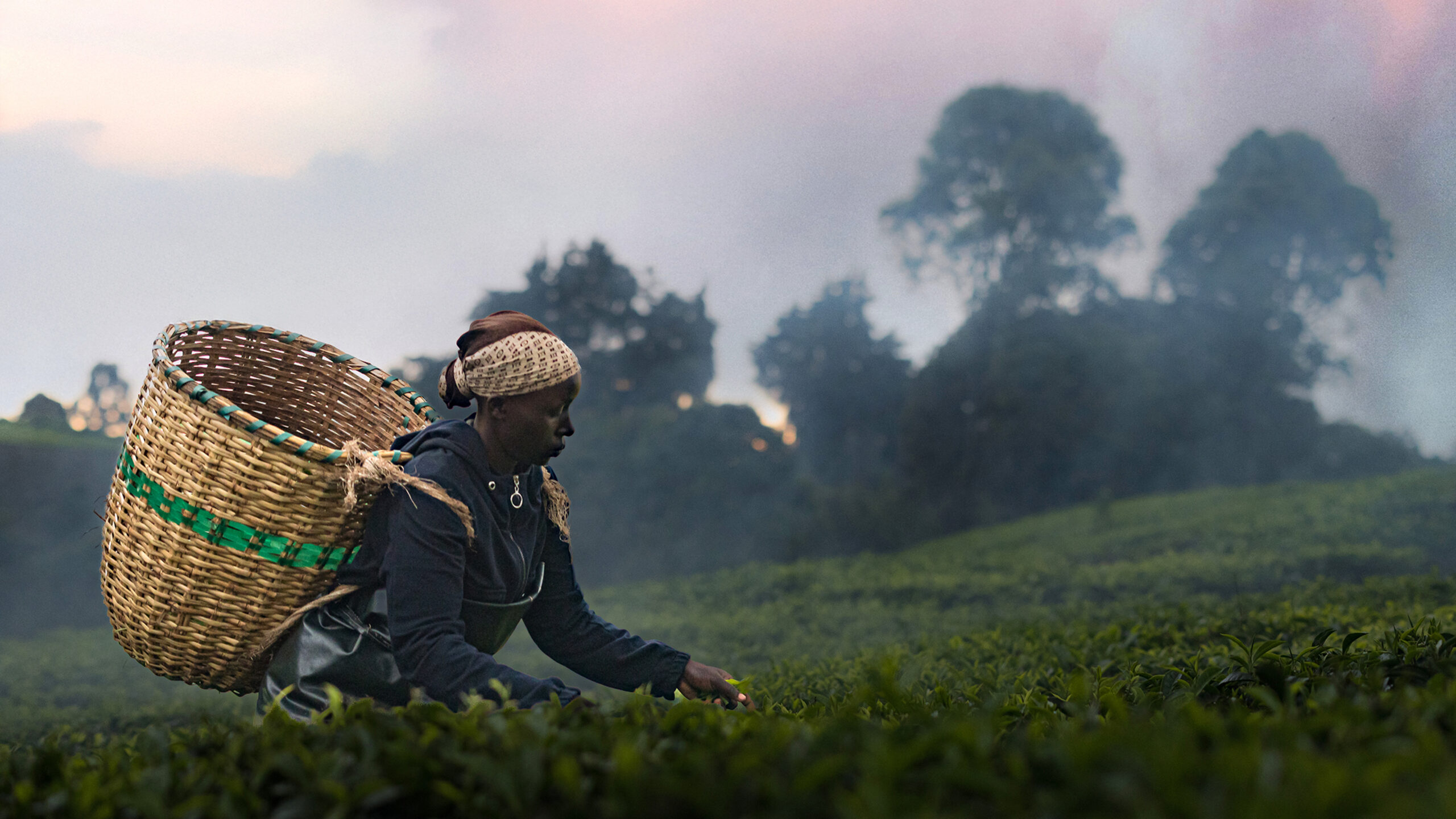
The Kikuyu are a tribal people located in the Kenyan highlands—a gorgeous region now dominated by enormous tea plantations, many owned by multinational corporations.
As the documentary Kikuyu Land spells out, the farms are owned by wealthy Kenyans and multinational corporations who seem quite capable of hiding their exact provenance. One such corporation: consumer goods behemoth Unilever.
As news of journalists being abducted and people being killed over land disputes filters into the film, Nairobi-based journalist Bea Wangondu tries to track down a representative of Unilever willing to address the allegations against the plantations, going so far as traveling to its headquarters in London. When those efforts fail, she seeks answers in archival records. But, as she digs into her own family and its claims to Kikuyu land, she discovers an upsetting history of complicity and betrayal.
The documentary is a gripping investigation with stakes that are both intimately personal and startlingly global, contrasts the arresting beauty of its geographical setting with the dark underbelly of its secrets.
(This is one in a series of film reviews from the 2026 Sundance Film Festival, focused on films by women, trans or nonbinary directors that tell compelling stories about the lives of women and girls.)
The post Sundance 2026: The Tea Is Profitable. The Land Is Contested. Documentary ‘Kikuyu Land’ Tells the Story. appeared first on Ms. Magazine.