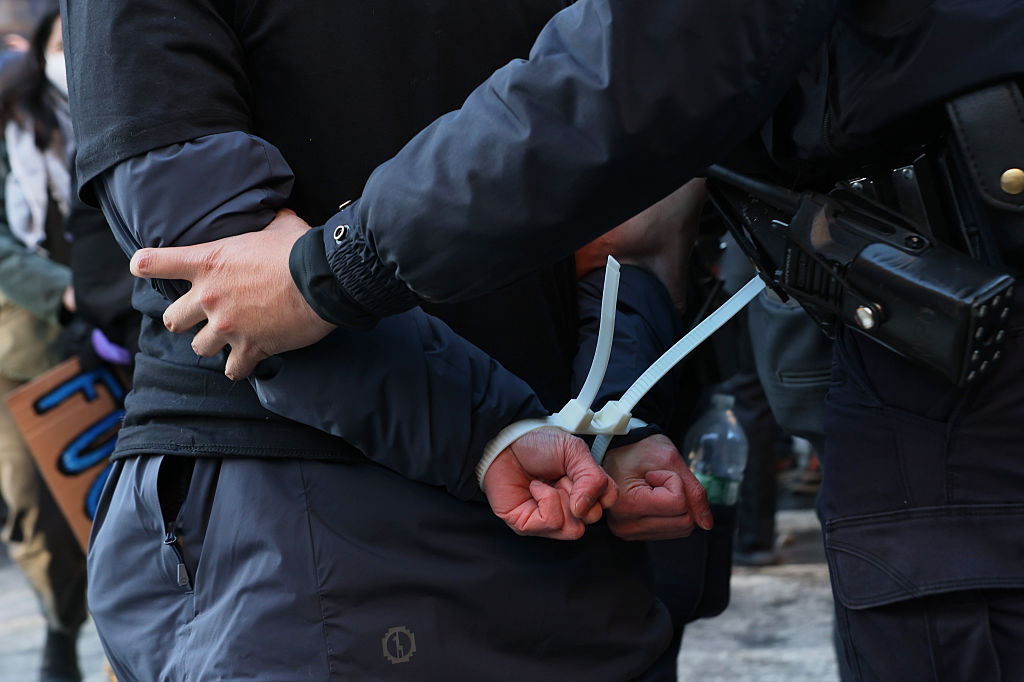
Nearly one in five New Yorkers have experienced sexual violence—and a new report finds that 12 percent have also faced sexualized behavior from NYPD officers, ranging from unwanted flirting and requests for phone numbers to catcalling. Across the U.S., police are accused of sexual violence with alarming regularity, yet just over 2 percent of those complaints result in officer discipline.
In New York City, the report finds that officers who perpetrate sexual violence rarely face consequences (less than 1 percent), underscoring that these incidents are not situations of isolated misconduct, but part of a broader pattern of harassment, assault and retaliation.
In highly policed communities, that pattern shapes how people move through the world. Nearly 75 percent of respondents said they go out of their way to avoid interacting with police—changing routes, avoiding certain blocks or staying inside at night.
“They want you to be [scared],” one 22-year-old Black man from Manhattan said. “If you’re not scared of them, then it’s like they’re not doing their job right.”
Others describe a constant state of vigilance: “When you hear a siren, you freeze. … If you see them following you in a car, you slow down and pray they drive past you.”
For survivors, the barriers to accountability are built into the system itself.
“There is this long history of officer impunity,” said Ileana Méndez-Peñate, noting the persistent lack of consequences.
As Priscilla Bustamante put it: “Where can I go? I can’t report police back to police.”
The report argues that meaningful change will require more than internal discipline—calling for independent oversight, reduced reliance on policing, and greater investment in community-based resources.
“This issue really shines a light on the fact that police are not really the answer,” Bustamante said. “They’re part of perpetrating the harm.”
The post The Only Place to Report Police Sexual Violence Is the System That Causes It appeared first on Ms. Magazine.