Belle Burden’s recent book, Strangers, describes how she was blindsided by her husband’s decision to walk out of their marriage in 2020, not only emotionally, but also financially. She had signed an unfavorable prenuptial agreement (against the advice of her lawyer). She left behind her own career as an attorney to focus on raising their children. Over the course of her marriage, she left the family’s financial particulars to her husband. And during the divorce process, she realized that she was not entitled to a share of much of the wealth that had been accumulated during their marriage. As she put it: “I hadn’t protected myself, when I had chosen comfort over conflict, not knowing over knowing. I had put myself there, one decision at a time.”
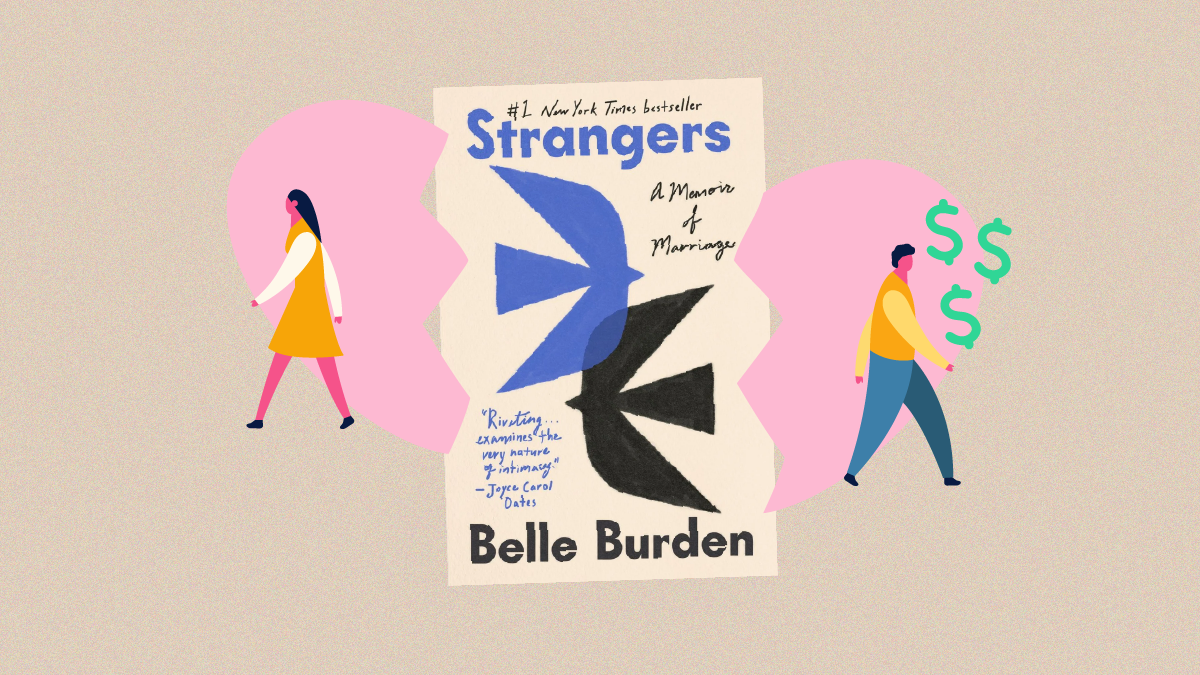
While Burden assigns herself the blame for not seeing any red flags, the truth is the system is rigged against people—usually women—who take on unpaid family caregiving. Unpaid caregiving is, unfortunately, an economic risk. What if you get divorced—and can’t make ends meet on your own? What if you can’t go back to school or get back into the job market? And what happens when you’re getting ready to retire?
Take the example of our friend’s mom. Her mother was a full-time caregiver. When her parents got divorced, her mom was awarded alimony payments that declined over time. Everyone assumed she would go back to work and be able to support herself. But jobs were scarce, and the older she got, the more doors were closed in her face. Her years of being a caregiver helped her develop valuable professional skills, including exceptional time management, the ability to manage difficult people, and a relentless work ethic, but none of this was reflected on her resume, so jobs turned her down. Instead of providing a cushion, her alimony payments got used up for living expenses. Retirement looks very scary for her right now.
Unfortunately, the architects behind Project 2025 want to make these risks even greater for women. In Saving America by Saving the Family, the Heritage Foundation offers a whole host of policy ideas to “encourage” traditional marriage (between a man and a woman, of course), including eliminating no-fault divorce and “reforming” alimony. (Note to Heritage Foundation: nothing makes marriage sound less attractive than having to make it legally harder to get out of it. But I digress.) If Heritage had its way, you can imagine how much more devastating divorce would have been for my friend’s mom, or Burden.
But wait, there’s more. To “encourage” women to have more children and be their primary caregivers, the fine folks at Heritage also think women shouldn’t pursue higher education or careers. They want to get rid of public benefits that help single moms support their families. And they want to cut public funding for child care. This is pretty much guaranteed to make the barriers to financial security and retirement that women already face pretty much insurmountable.
To be sure, Belle Burden is in a different position than our friend’s mother and a lot of stay-at-home spouses who end up getting divorced: she comes from a wealthy family, has published a best-selling book, and (spoiler alert) negotiated a settlement with her ex-husband that left her in a better position than under the prenup.
But Strangers reminds us that marriage is not always a guarantee of financial security—especially for women who leave the workforce to be caregivers. There’s no amount of motherhood medals (yes, that’s a real suggestion by some pronatalists) that will make up for an empty 401(k) account or a smaller Social Security check.
It’s hard enough to raise children the way we want under our current system: there’s not enough support for parents who want to stay home to care for their children, for those who have to or want to work outside the home, or for those who are trying to navigate both. If pronatalists’ dreams come true, many more women will age with fewer earnings and savings. This won’t be good for anyone: not for families forced to figure out care for aging parents on their own, not for an economy weakened by having fewer women in the workforce and public life, and certainly not for the millions of women left with inadequate savings and retirement income in their later years. The moral of this story is that all of us would be worse off under pronatalist policies, but older women will be pay the steepest price.
Let’s pay attention to the “red flags” that pronatalism is waving in front of our faces. Rather than lock women into bad bargains that compromise their own financial futures, we can choose solutions that help women and their families thrive: universal child care, comprehensive paid family and medical leave, care for aging and disabled family members, and strengthening supports, like Social Security, for caregivers.
The post Belle Burden’s “Strangers” Shows How Project 2025’s Pronatalist Policies Will Trap Women in Poverty as They Age appeared first on National Women's Law Center.