Victoria Monét, Angel Reese Highlight The Life-Changing Impact Of HBCUs

Celebrities are going viral as they speak openly about their desire to attend Historically Black Colleges and Universities (HBCUs). This week, Grammy Award winner Victoria Monét surprised the Spelman College […] The post Victoria Monét, Angel Reese Highlight The Life-Changing Impact Of HBCUs appeare...

Victoria Monét, Angel Reese Highlight The Life-Changing Impact Of HBCUs
By Julienne Louis ·Updated April 7, 2026 Getting your Trinity Audio player ready…

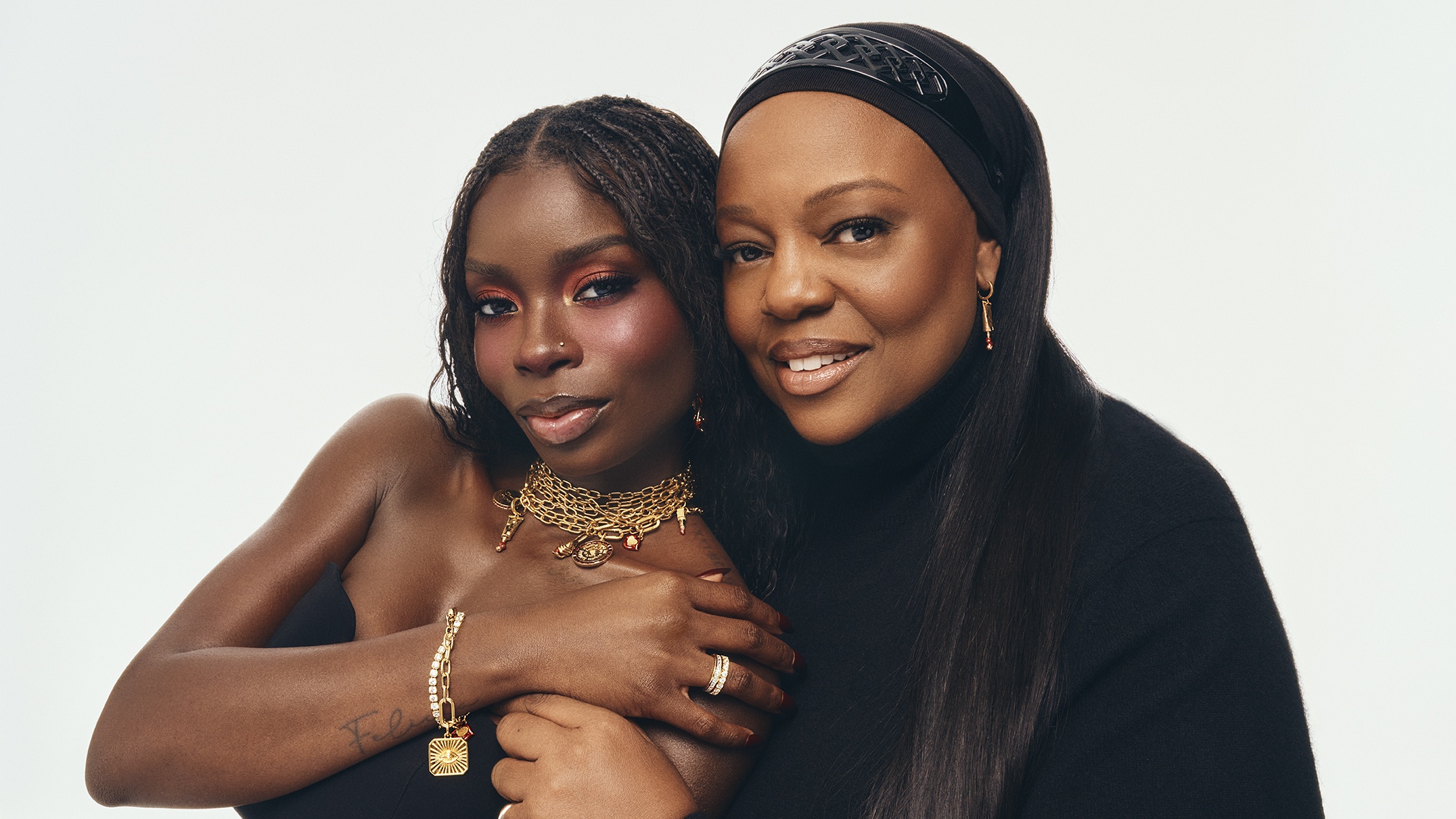
Celebrities are going viral as they speak openly about their desire to attend Historically Black Colleges and Universities (HBCUs). This week, Grammy Award winner Victoria Monét surprised the Spelman College dance team, the Jaguarettes, saying she was excited to finally visit a campus she once dreamed of attending.  That sentiment echoes what basketball phenom Angel Reese expressed at HBCU Aware Fest. Dressed in Howard University paraphernalia, Reese said she had always wanted to attend the University for its culture and community.

These affirming cultural moments come alongside a recent study that found that Black students who attend an HBCU, even one year, experience better health outcomes than those who never attend at all. The study, by Dr. Marily Thomas, an assistant professor of medicine at the University of California, found that these individuals exhibit lower stress and stronger cognitive functioning decades later, supporting attendees with longer and healthier lives.

HBCUs don’t just produce Black professionals. By reducing racialized stress through belonging, they save lives. And I should know, my HBCU saved mine.

I didn’t arrive at Howard as a believer. My K–12 education in predominantly white schools taught me that my success made me exceptional among Black people—not because of them. I believed “The Mecca,” as Howard University has come to be known, wouldn’t have students who matched my intellect.

I was not the only student with low self-esteem then. And the pattern persists today. Nearly 46% of Black students report experiencing racism in schools. They are inundated with messages that question their worth, intelligence, and place. And their racial self-esteem is eroding.

I left Howard with more than sorority sisters and a Magna Cum Laude and Phi Beta Kappa cord. I had a grounded sense of self-worth and a love for my community.

Dr. Thomas’ findings put language to what I experienced. Before Howard, my educational experiences created chronic stress due to the racist and discriminatory experiences. Maslow’s Hierarchy of Needs asserts that students must feel safe and have a sense of belonging before they can achieve esteem and self-actualization, the basis for a happy and healthy life. But in my grade school experience, those foundational needs were not met.

In 9th grade, the day after Barack Obama was first elected, my English teacher asked the class how we felt. Nearly all of the Black students raised our hands—eager, proud, visible. She called on white students and a few Asian students, then moved on. By my senior year, I was the only Black girl on the volleyball team. I was also the only senior. There was no Senior Night. At the time, I thought it was an oversight. By the time I graduated from Howard, I understood it differently. My coach, who’d done dozens of senior nights, did not coincidentally forget the senior night for a Black child. Both my English teacher and volleyball coach made decisions to exclude me.

In those moments, I learned I was not valuable. I was not safe. I did not belong.

So I worked twice as hard, striving to be the ‘model Black student,’ a role that research shows brings racial battle fatigue—stress from being hypervisible yet undervalued. The pressure to be wasn’t motivating; it was corrosive, causing anxiety, headaches, and stomach pains.

My body was collapsing under what researchers call allostatic stress, the wear and tear of constant hyper vigilance. Many Black students at predominantly white institutions feel similarly. In 2023, 35% of minority students at these institutions reported not belonging, a number deepened by rising racial hostility, like the encroachment of Turning Point USA onto college campuses.

At HBCUs, learning isn’t just academic. Some students catch up on coursework; others, like me, unlearn harmful self-beliefs. That process can be disorienting. Confronting a racially unequal society requires safety and belonging—the foundation for growth. In HBCU environments, that safety buffers against the constant stress of negative stereotypes, creating space to breathe. With fewer psychological burdens to carry, students can focus, take risks, and grow during some of the most formative years of their lives.

Author and journalist Ta-Nehisi Coates described Howard as a place where he encountered “the vastness of Black people”—an experience that reshaped how he saw himself. He never graduated, yet his experience reflects what Dr. Thomas’research now affirms: even brief exposure to HBCUs can have lasting impact.

That impact is gaining recognition beyond culture. Lawmakers have introduced a bipartisan effort to increase HBCU research funding – an acknowledgement that these institutions are not only culturally significant, but essential to the long-term health and success of Black communities.

That is why HBCUs matter—and why they are under attack. As restrictions on teaching race expand nationwide, Black students are again being asked to exist in environments that deny their full humanity.

They respond by enrolling at HBCUs in record numbers, drawn drawn by the safety, affirmation, and culture Reese described. Amid rising racial hostility, Black students flock to HBCUs for physical and mental safety—benefits that endure long-term.

For decades, HBCUs have served as a safeguard for their students—proof they are not relics of the past, but essential to our future. They give Black students what the world often denies: space to belong, heal, and become.

Julienne Louis-Anderson is an alumna of Howard University and Xavier University of Louisiana The former educator writes about the intersection of culture and politics with education and human development. She is also a Public Voices Fellow of The OpEd Project in partnership with the National Black Child Development Institute.

The post Victoria Monét, Angel Reese Highlight The Life-Changing Impact Of HBCUs appeared first on Essence.

Need Support?

Find verified resources for reproductive healthcare, support services, and advocacy organizations.

Find Resources