Although Mozambique liberalized its abortion law in 2014 to expand access to safe abortion care and reduce maternal deaths, silence and stigma continue to surround sexual and reproductive health and rights—especially for adolescent girls.
This is now changing, thanks to coordinated, multilevel efforts by Ipas Mozambique with support from partners including Global Affairs Canada, as part of our shared commitment to advance gender equality and strengthen the national health system.
The results are noticeable. In northern Mozambique, conversations around sexual and reproductive health and rights that were once held in silence are now taking place openly in markets, classrooms and health facilities, reflecting a shift in how communities engage with health, rights and access to care.
Across Niassa, Nampula and Zambézi provinces, adolescent girls are seeking sexual and reproductive health care with greater confidence. Community-based organizations are leading public dialogues on reproductive rights, and public health facilities are providing safer, more responsive sexual and reproductive health services, including safe abortion, contraception and treatment for gender-based violence.
“The transformation begins in communities and extends into health facilities, civil society organizations and local government,” says Lina Rojas, senior program manager for Ipas Mozambique.
When knowledge becomes action: Young activists link communities to care
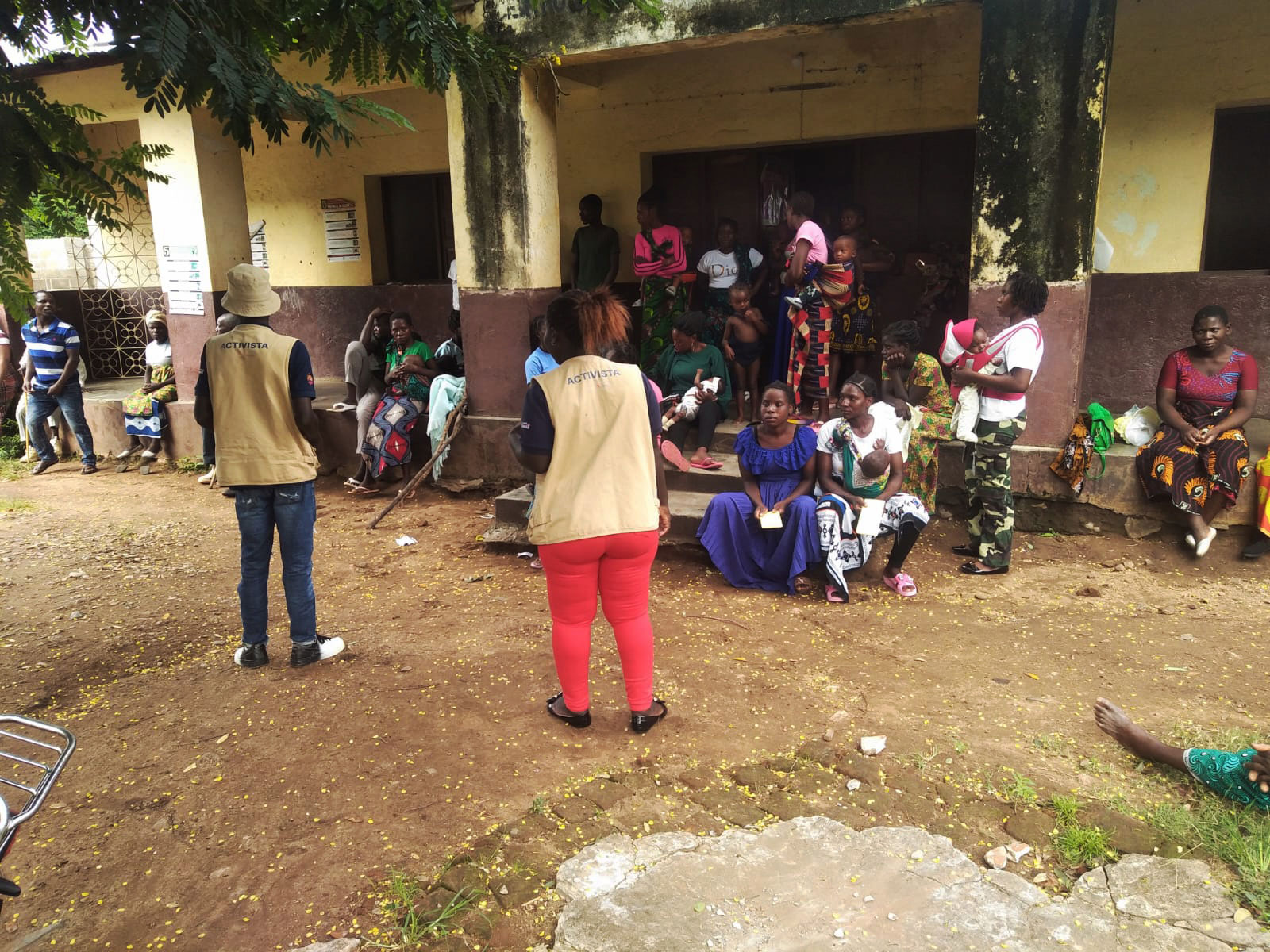
Young sexual and reproductive health and rights activists conducting interpersonal conversations in Niassa province
One example of our approach is the work of youth activists trained by the project to bridge information gaps and connect communities to care.
Across Niassa, Nampula and Zambezia provinces, 75 young activists received structured training on contraception, safe abortion and gender-based violence. They began engaging directly with communities through face-to-face conversations in markets, schools and other community spaces. In one year (April 2025 – March 2026), activists across the three provinces conducted 5,816 interpersonal sessions, reaching 50,918 people.
These conversations translated into real service uptake. Between April 2025 and March 2026, activists made referrals to health facilities resulting in 2,067 women and girls accessing sexual and reproductive care, including family planning, comprehensive abortion care and gender-based violence services.
Activists were also trained to use a standardized referral form to help community members access services at nearby health facilities.
“The referral form has been very useful because it helps break the fear many people have of going to the health facility.” Ipas-trained activist, Niassa
For many adolescents, these conversations with the trained activists were the first time they received accurate information about their sexual and reproductive rights and available services. A key outcome of this community outreach is that it’s directly increasing confidence and capacity among women and girls to access contraception, safe abortion and treatment for gender-based violence.
Community engagement in one year
(April 2025 – March 2026)
interpersonal conversations
adolescents and young people reached
Referrals completed to help women and girls reach care
Strengthening local leadership: Terra Amiga’s expansion in Zambézia
Cristina António Caperula, coordinator of Ipas’s partner Terra Amiga, during a community outreach session in Zambezia.
Ipas also supports the institutional strengthening of community-based organizations. This is part of our approach to create positive social change related to social stigmas, taboos and harmful norms around sexual and reproductive health and rights.
In Zambezia province, community-based organization Terra Amiga—one of Ipas’s partners—has evolved from a small local actor into a recognized leader in sexual and reproductive health education. With institutional strengthening support from Ipas, Terra Amiga expanded its work from one district to three additional communities. Between January and September 2025, the organization conducted 181 community outreach activities, reaching more than 8,700 people with accurate and positive messaging on sexual and reproductive health and rights.
Beyond numbers, the shift has been cultural, with people saying they feel less stigma around topics like abortion.
“Before the project’s community dialogues began, even saying the word abortion was difficult. Now we speak openly about rights, health and dignity.” – Cristina António Caperula, coordinator of Ipas’s partner Terra Amiga
Community outreach by Terra Amiga
(January – September 2025)
outreach activities
people reached
new communities covered
Community leadership is central to ensure people can access care
Increased community dialogue led by our community partners has contributed to greater awareness of available services and increased demand for sexual and reproductive health care. Young women who previously may have considered unsafe alternatives are now increasingly seeking services in health facilities supported by our project.
By strengthening community-based groups, the project reinforces local ownership of sexual and reproductive health initiatives, strengthens civil society’s ability to facilitate community dialogue and advocate for services, and contributes to more support for policy discussions and changes that advance sexual and reproductive health at district and provincial levels.
Transforming public systems: Expanding safe abortion care in Lichinga
Clinical staff at Ipas-supported Lichinga Provincial Hospital participating in review and monitoring of health service data
With support from Ipas, additional health providers were trained to deliver comprehensive abortion care, with an emphasis on respectful care, informed consent, and patient confidentiality. Ipas also provided essential equipment and supplies, as well as strengthened service delivery procedures to ensure high-quality, confidential, and rights-based care.
At the start of the project, none of the 25 supported health facilities had the capacity and necessary conditions to provide comprehensive abortion care. Today, all 25 have organized systems for delivering this essential care along with structured gender-based violence response services.
This progress reflects another key outcome of our project: measurable improvements in quality and accessibility of gender-responsive family planning, abortion and gender-based violence services.
“Now, the woman’s consent is what matters. We focus on providing care without judgement.” — Health provider, Lichinga Provincial Hospital
An integrated model for gender-responsive health systems
What distinguishes Ipas’s approach with this project is not any specific area of work, but rather the integration of work across multiple sectors to achieve sustainable, systems-level change. For example:
- Youth activists enhancing service demand and reducing stigma
- Community-based organizations expanding dialogue and strengthening accountability between communities and public health services
- Public health facilities improving quality, access and responsiveness
Our integrated model shows that advancing gender equality in health requires coordinated investment in community engagement and health systems alike.
As we continue with this vital work, we’re expanding our community support and education, our advocacy efforts and our initiatives to improve health care quality. But the foundation is already visible in measurable outcomes: in the thousands of people who received information or a referral to care, in the facilities strengthened and health providers trained, and in the communities speaking openly about sexual and reproductive health and rights.
The post Advancing gender-responsive sexual and reproductive health in Mozambique appeared first on Ipas.
