With a global market worth of over $56 billion, handbags are one of the main drivers of the fashion industry.
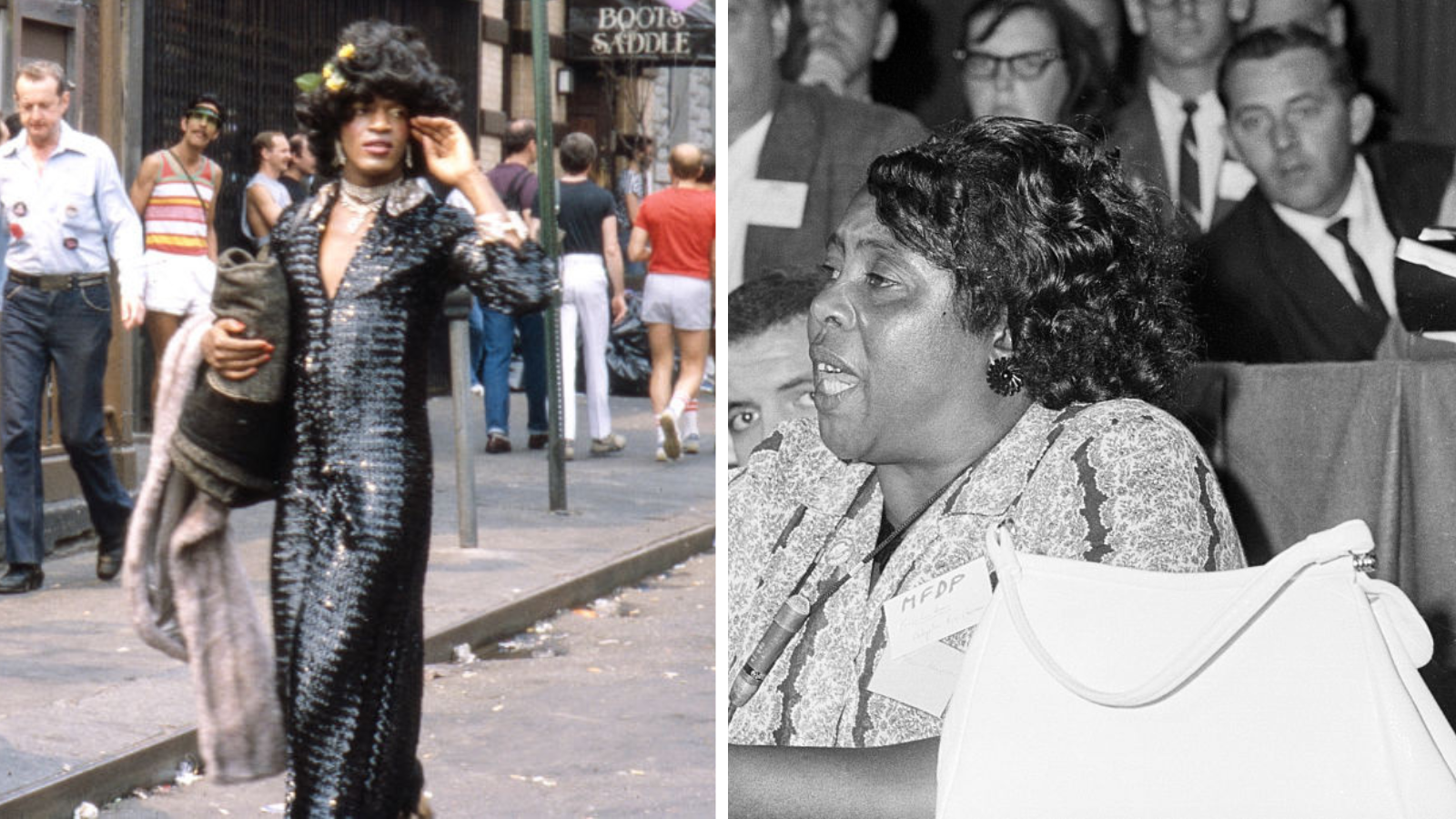
However, as Kathleen B. Casey shows in her latest book, The Things She Carried: The Social History of the Purse in America, they are more than just a fashionable accessory: Women’s purses are an important marker of identity and social status. They are a statement of power, of resilience, of defiance and even protection. Indeed, you can tell a lot about a person from their handbag and what’s in it.
While both women and men have carried bags in the past, it was the evolution of pockets (and lack thereof in women’s clothes) that led to the purse being specifically marked as a feminine accessory, often associated with the female body and particularly the womb.
With pockets becoming a symbol of functionality and masculinity, it is not a coincidence that utilitarian pockets became a feminist demand. Feminists have long argued for their right to free hands and movement, while keeping their possessions secure and concealed. Pockets were often equated to votes during the suffrage campaign, as activists criticized the lack of both in hindering women’s independence.
Despite being a conspicuous item, one that could be snatched or stolen, Casey is careful to show the power of the purse (pun intended) in offering women the ability to gain visibility in public as equal to men. Women could not only carry with them money, sanitary pads and birth control pills that allowed them freedom of movement and independence, but their bags enabled them to do it while maintaining their respectability and status. At times when women had little control over their bodies, the privacy of their purse offered them an autonomy they could not otherwise gain.
The post No Pockets, No Power? The Feminist History of the Purse appeared first on Ms. Magazine.