The Emmy award-winning medical drama The Pitt closed its second season with a storyline about a parient with preeclampsia, a hypertensive disorder of pregnancy most identified through high blood pressure and protein in urine.
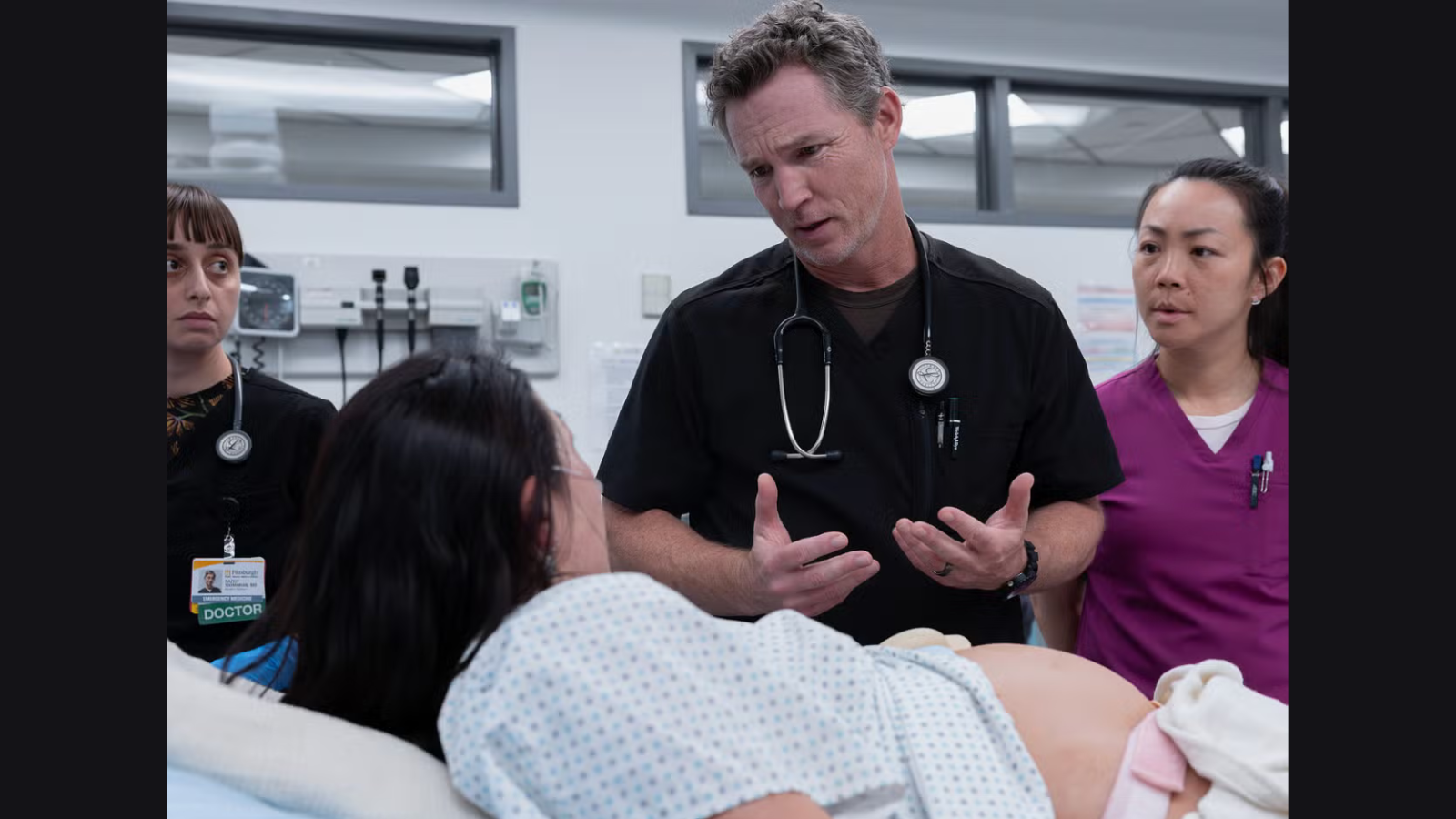
As the patient’s condition worsens, including a horrible seizure leaving her nonverbal and her baby at risk, she is diagnosed with eclampsia and hemolysis, elevated liver enzymes and low platelets (HELLP) syndrome. The patient is ultimately (unbelievably) spared as her baby is surgically removed, and both are cleared to head to obstetrics and the neonatal unit, respectively.
As a two-time preeclampsia survivor and CEO of the Preeclampsia Foundation, I want to wholeheartedly thank The Pitt producers for featuring preeclampsia, HELLP syndrome and eclampsia in their season finale. Hypertensive disorders of pregnancy, which include all three disorders plus gestational hypertension, are not rare: They affect 15 percent of all pregnancies. We need greater awareness of hypertensive disorders of pregnancy, the signs and symptoms, and the importance of fast, reliable intervention by medical professionals to save the lives of mothers and their babies.
That said, I have thoughts—as does the broader community of preeclampsia survivors.
The post What ‘The Pitt’ Got Right and Wrong About a Major Pregnancy Risk appeared first on Ms. Magazine.